Skiing in Japan: Hokkaido, Hakuba and mountain villages
A Japanese ski holiday can lead from the slopes into a village with hot-spring baths. Hokkaido and Honshu offer different journeys, from Niseko and Furano to Hakuba and Nozawa Onsen. Choose an island and an area first so that more of your holiday happens on the mountain and less of it between bases.
Japan: map of villages and ski resorts
Explore the area’s towns, villages and ski resorts, with forecasts for your chosen day. Pan freely or select a destination for a closer view.
Loading destinations…
⌂ Towns and villages · ⛷ Ski resorts. Values are forecasts, not live observations. Ski markers show approximate destination locations.
Hokkaido, Nagano and northern Honshu need different transport plans. Hakuba is a valley of ski areas, while Nozawa Onsen puts village life and baths at the centre. For a short visit from Tokyo, GALA Yuzawa's rail access is worth comparing. Arrange the final leg from the station or airport to the room too.
Ski-in / ski-out: specific places to stay
One example in this region is Hilton Niseko Village, described as ski-in / ski-out by its official source. This applies to the named property, not every hotel or the whole village. Before booking, confirm that you can both leave and return on skis, check the connecting piste difficulty and ask whether access operates on your dates. Sufficient snow and open pistes are required.
The map shows forecasts at indicative locations. For the ski day, also open the operator’s report linked under each destination to confirm lift and piste operation.
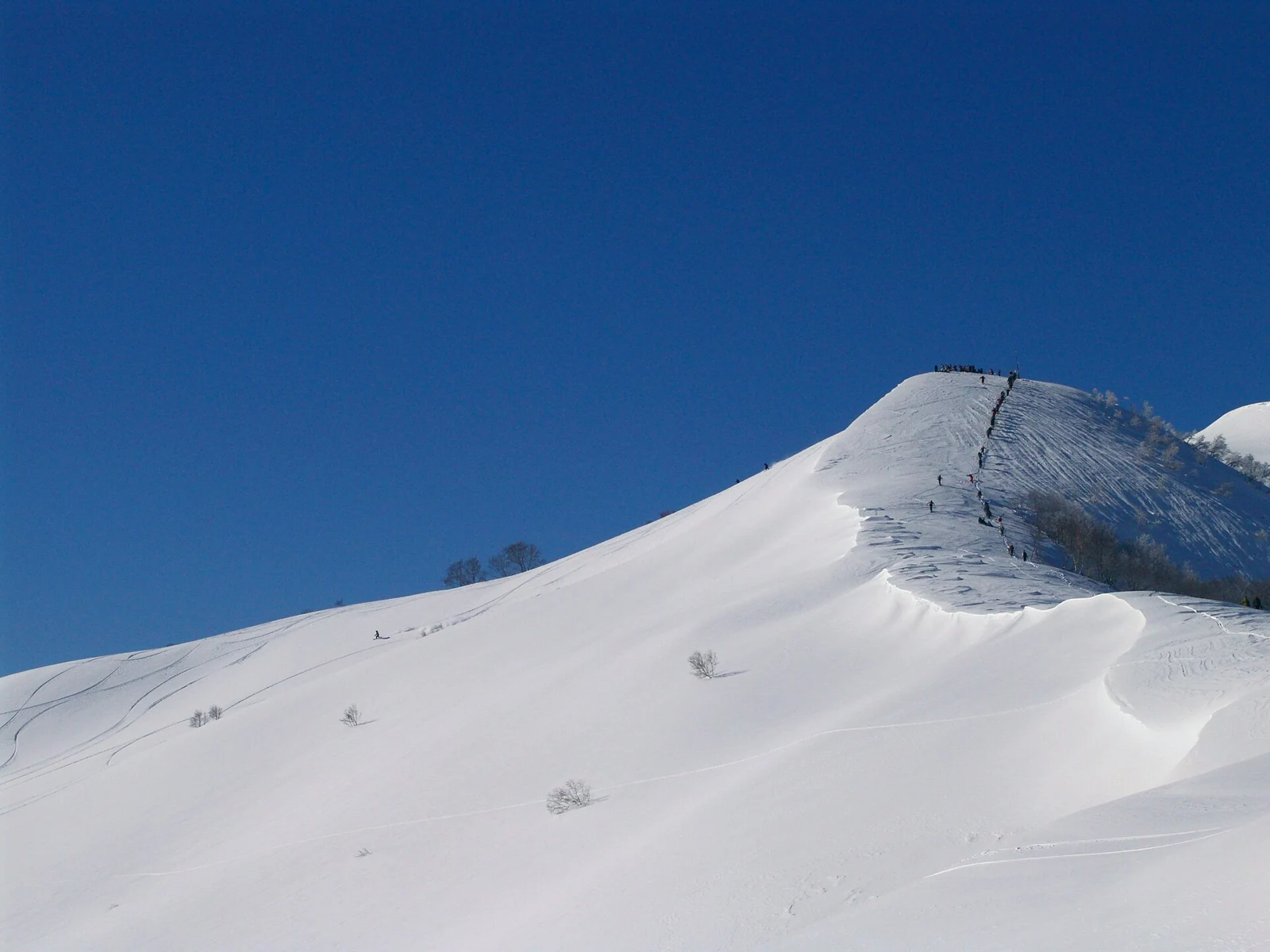
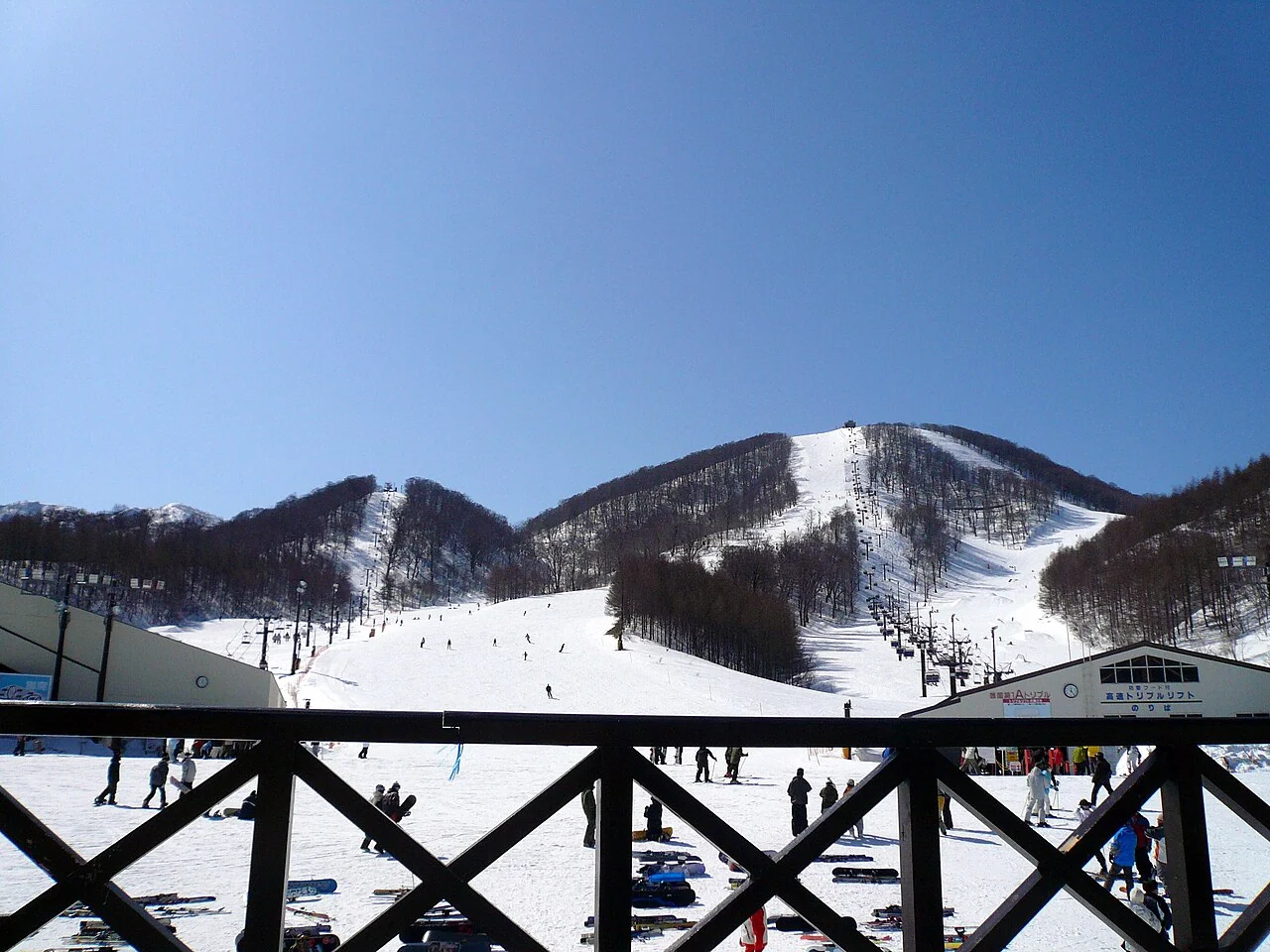
Archival photograph; it does not show current snow or operating conditions.
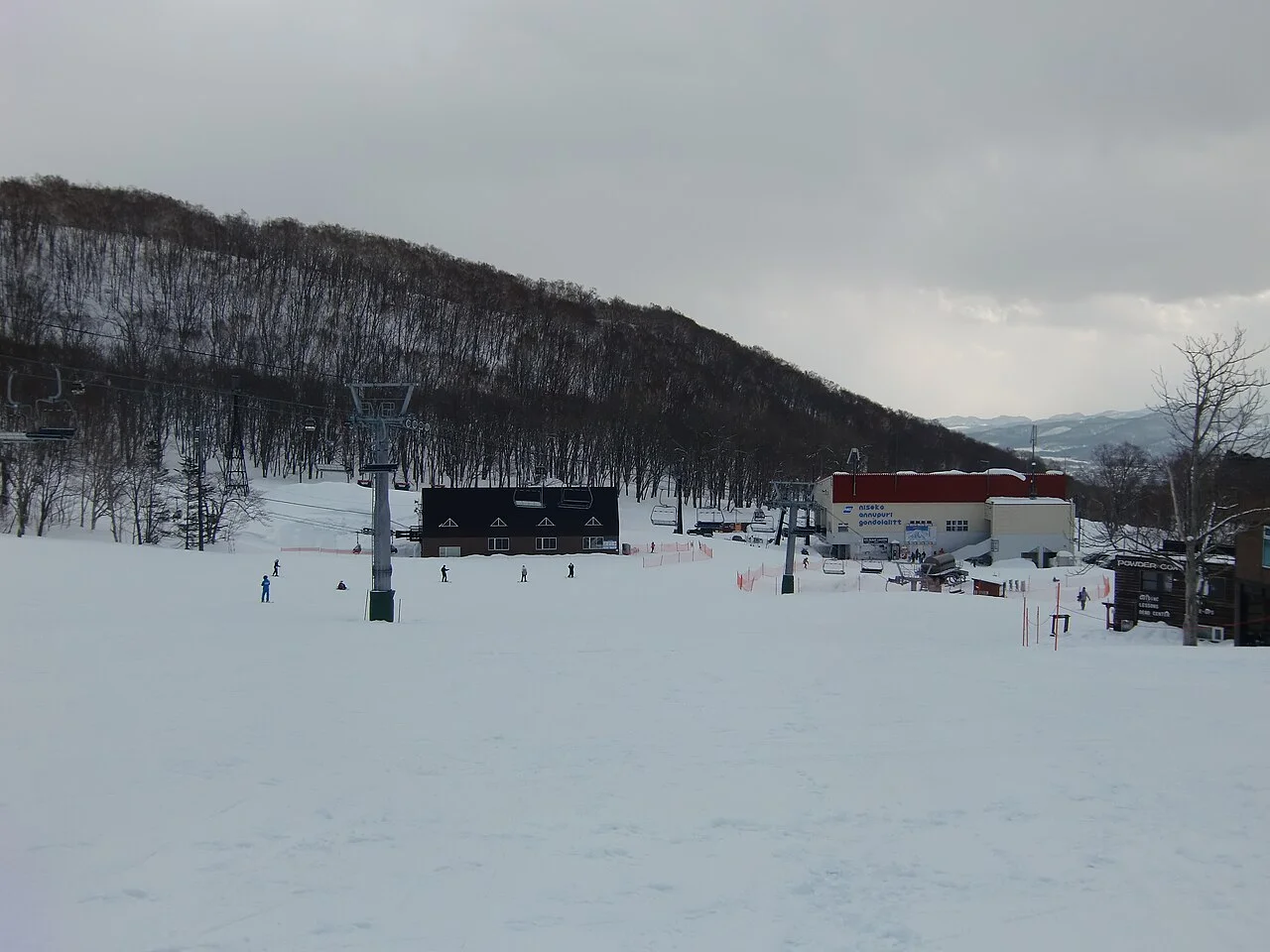
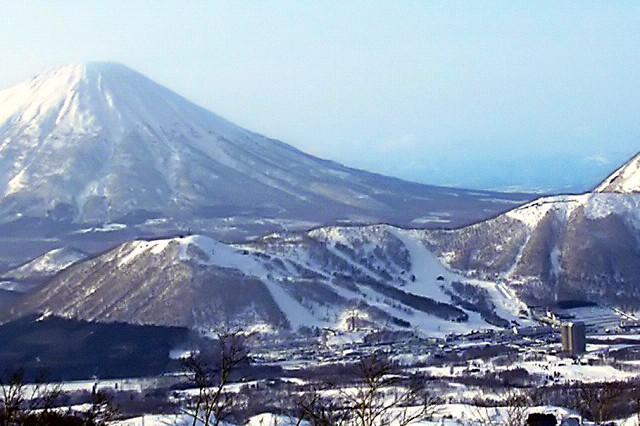
Niseko, Rusutsu and Furano are separate Hokkaido destinations. At Niseko, check which base and sector your accommodation serves; the name covers a wider area. If you want to combine resorts, plan the transfers first and allow several nights at each stop.
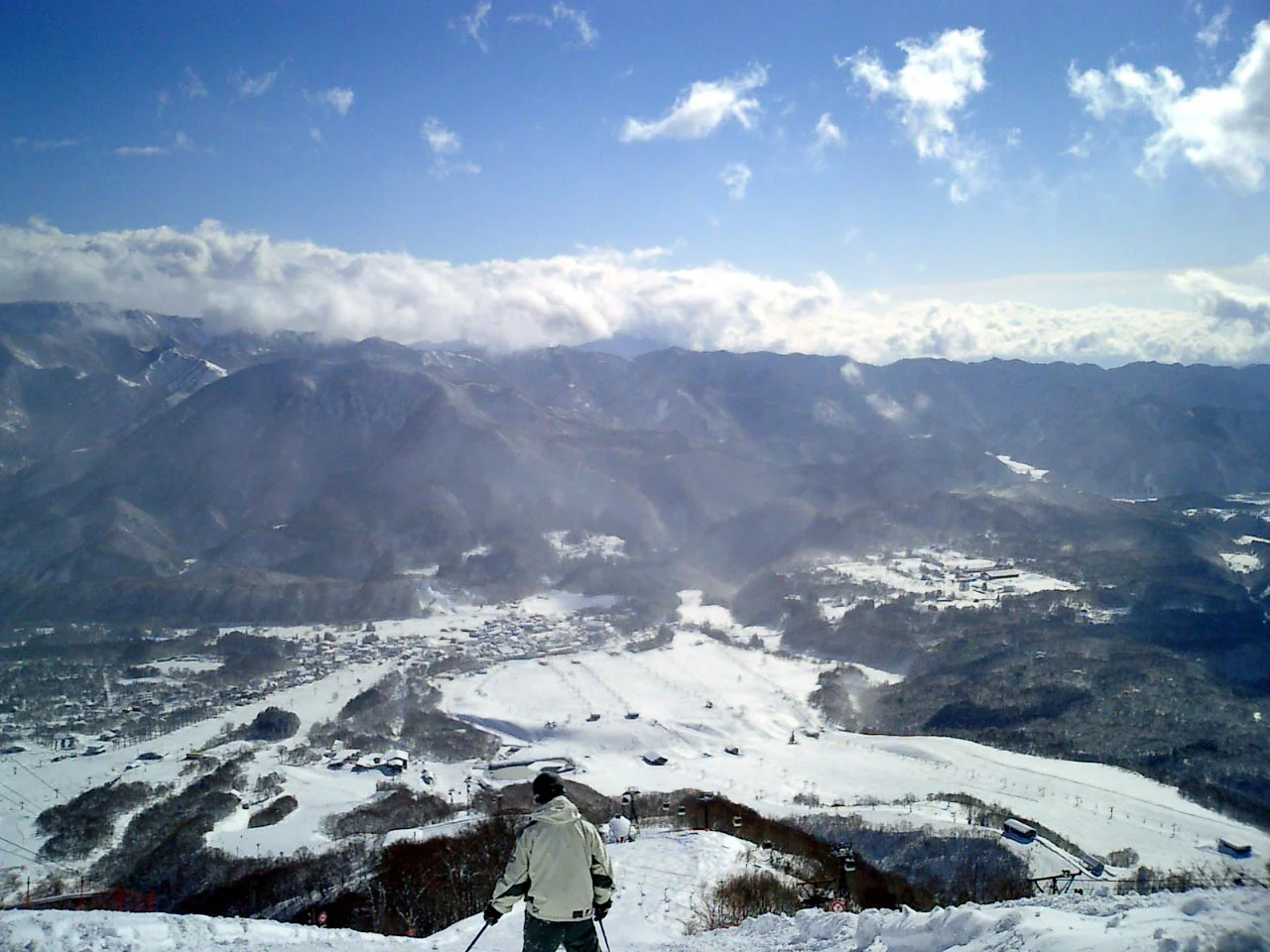
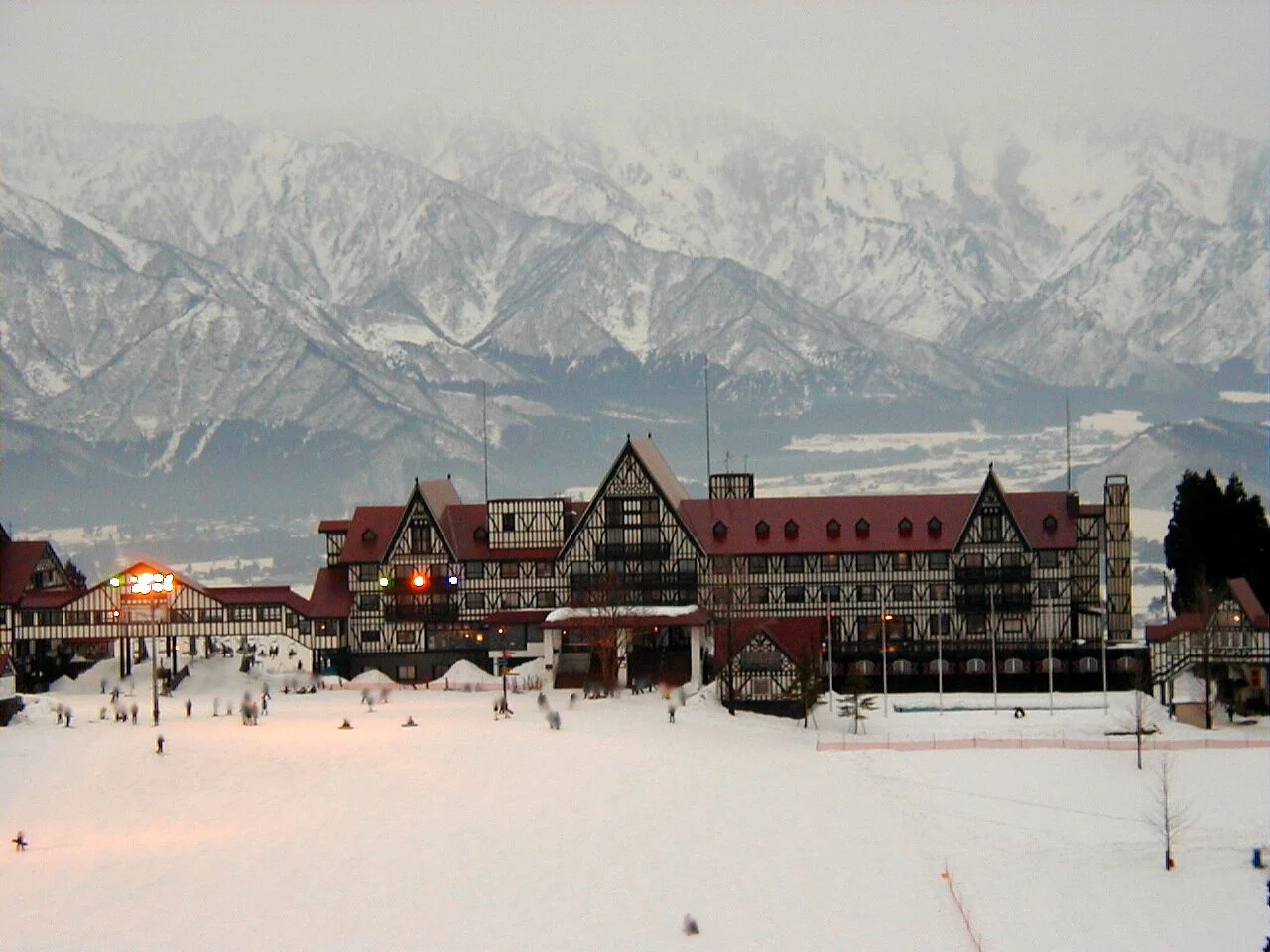
Archival photograph; it does not show current snow or operating conditions.
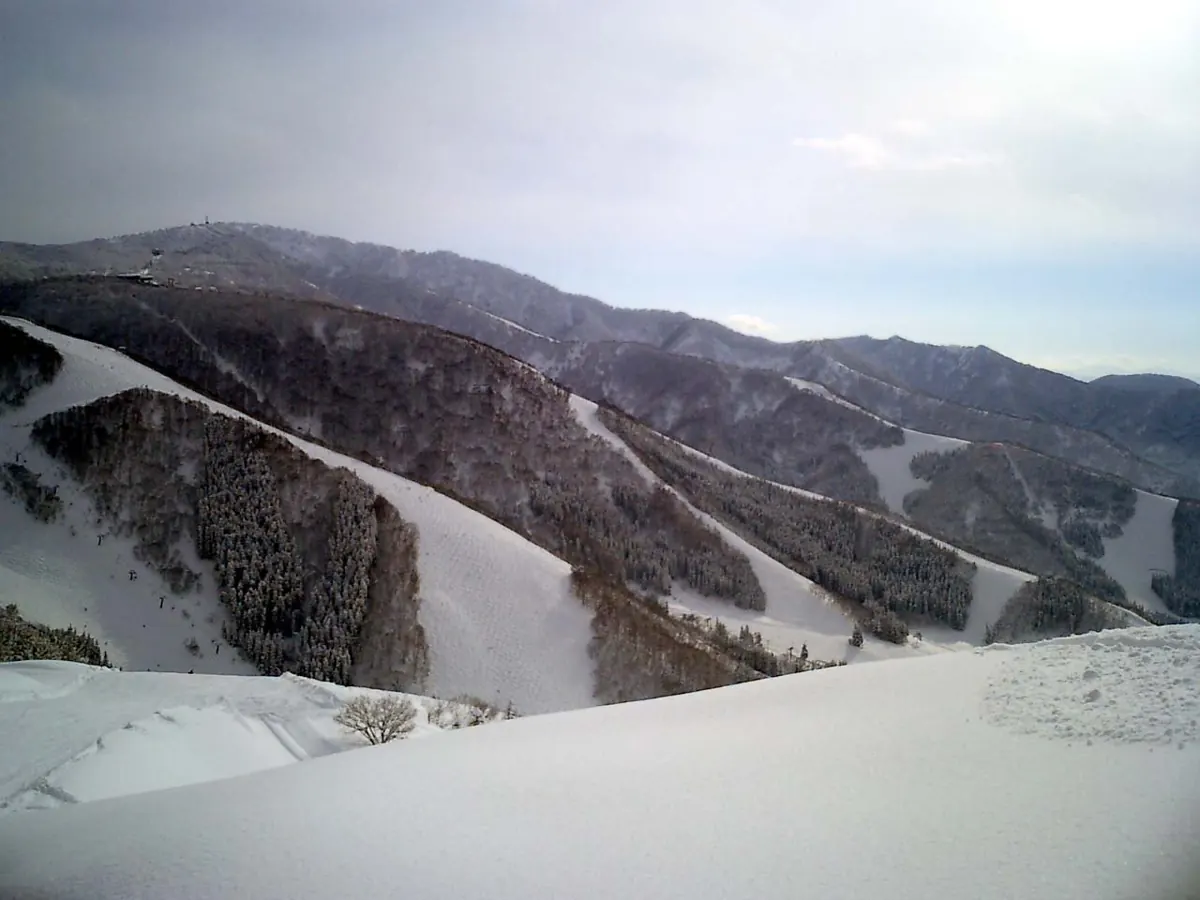
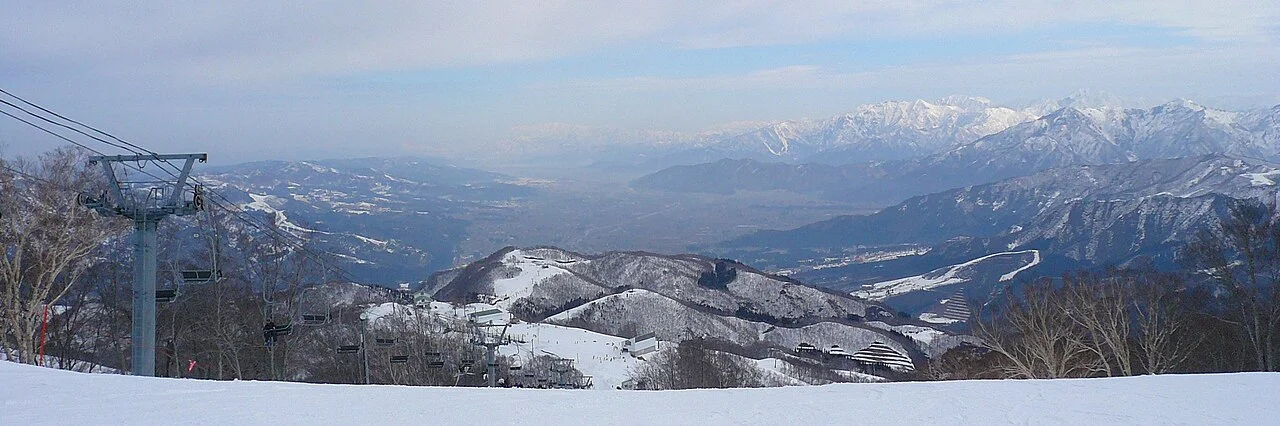
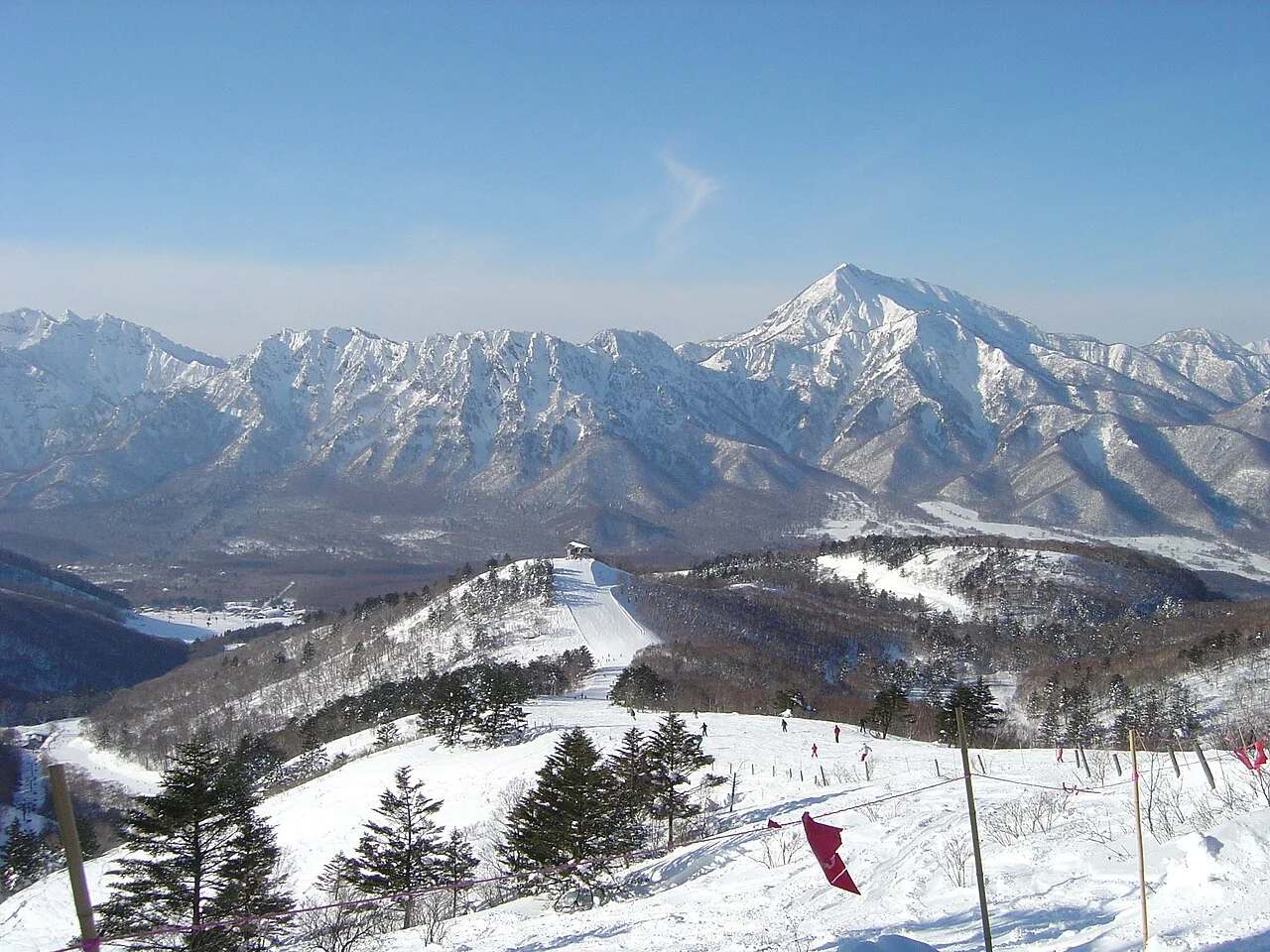
Hakuba is a valley with several ski areas, so accommodation location affects daily travel. Nozawa Onsen combines village life, skiing and hot-spring baths, while Shiga Kogen offers a different mountain base. You do not need to visit all three to fill a holiday.
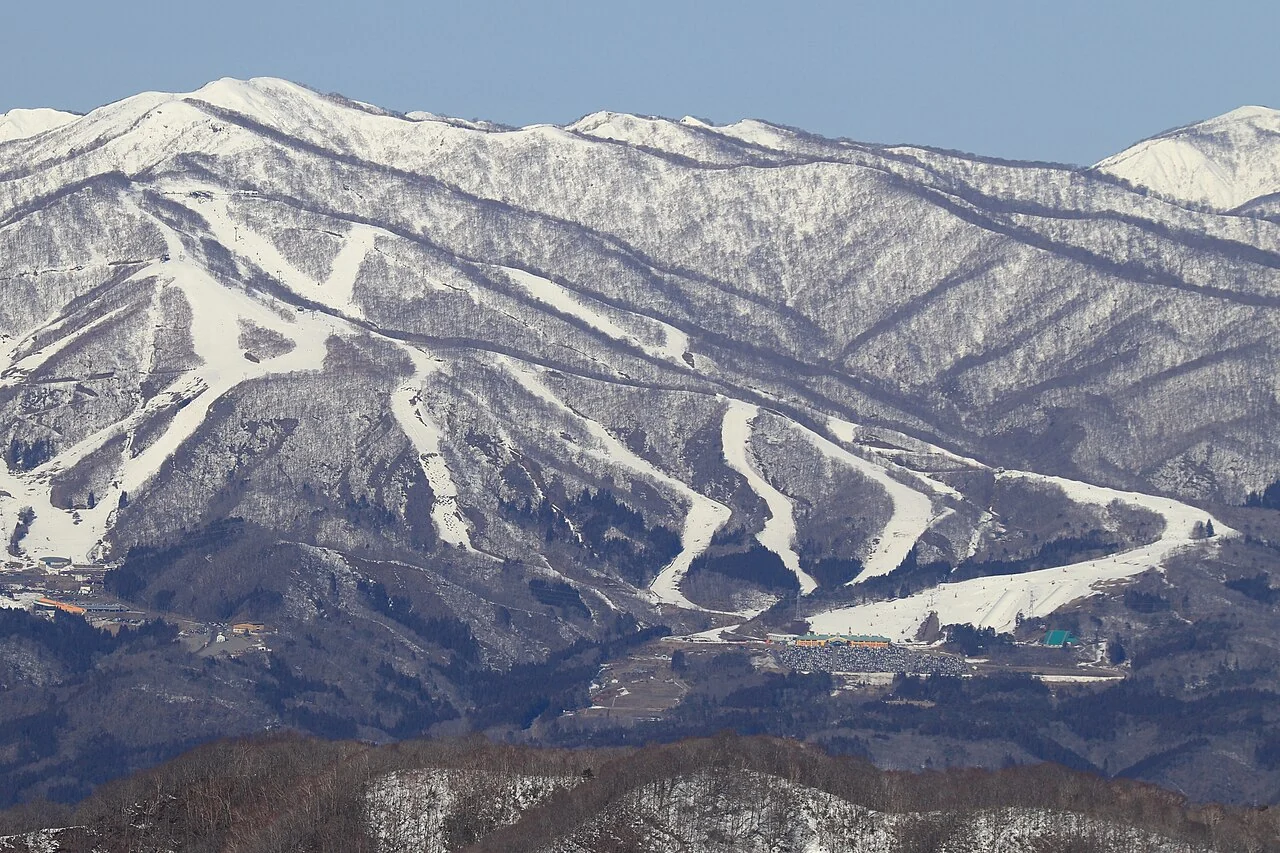
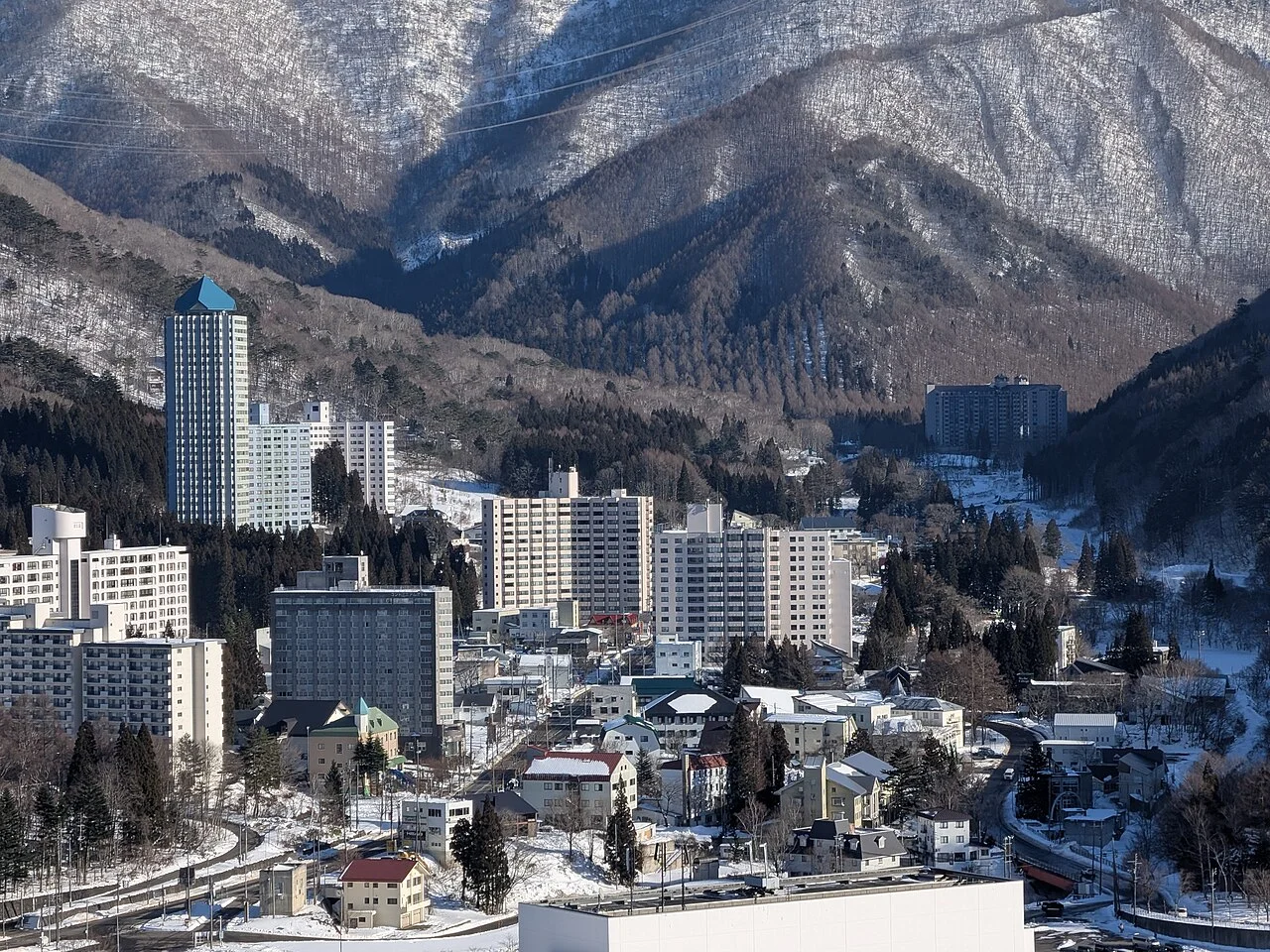
Archival photograph; it does not show current snow or operating conditions.
Myoko, the resorts around Yuzawa and Zao Onsen widen your options on Honshu. Before deciding, check how to reach the particular village and the final connection to your accommodation. A train into a nearby town does not always complete the journey to the mountain.
Check the rules of the particular bath or accommodation if you plan to visit an onsen. For skiing, consult official lift and access information: a region’s snow reputation is not a forecast for your travel dates.
Ski resorts and local forecasts
Select a resort for its forecast and official operating information. Map points show approximate destination locations.
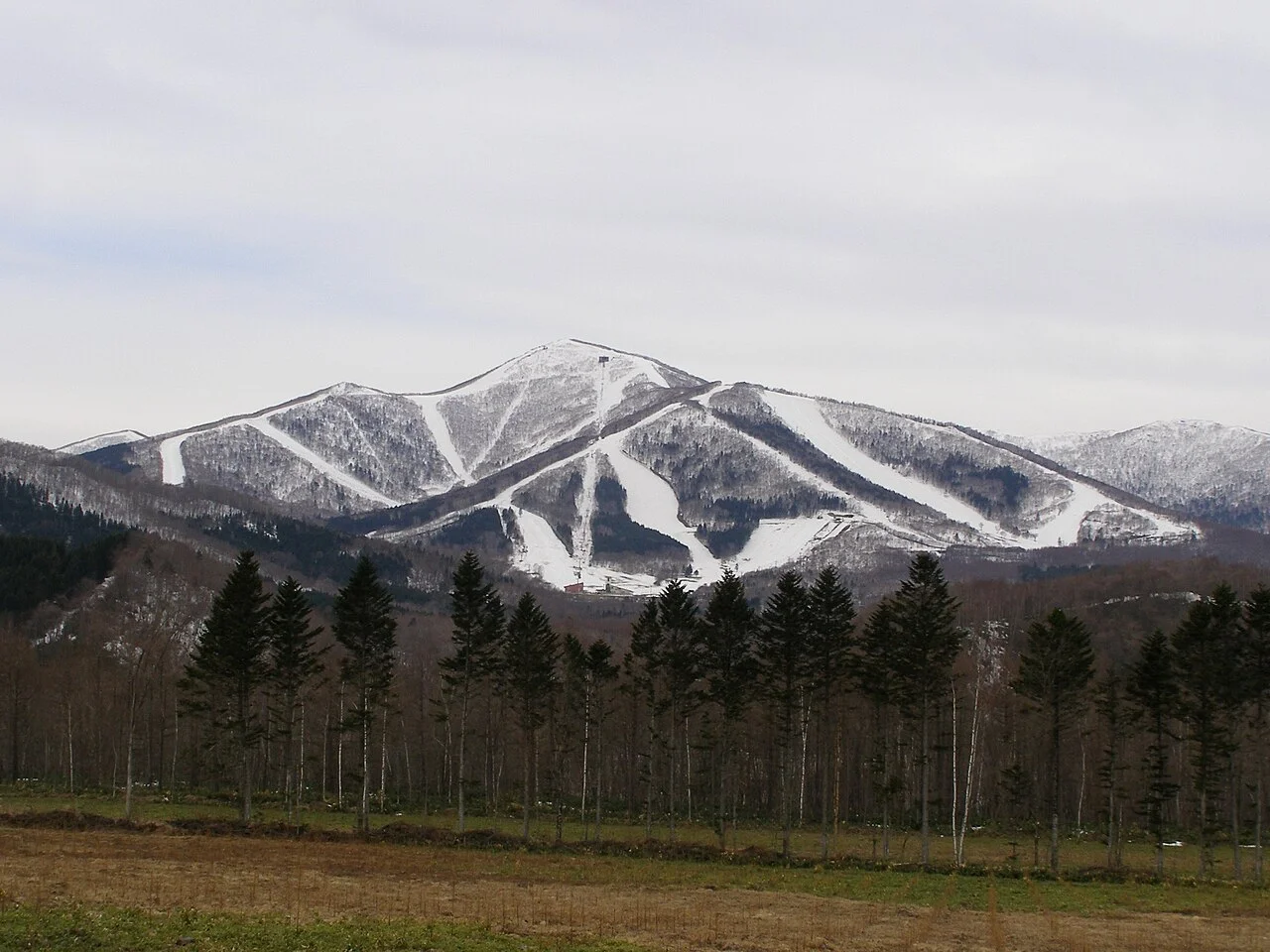
Archival photograph; it does not show current conditions.
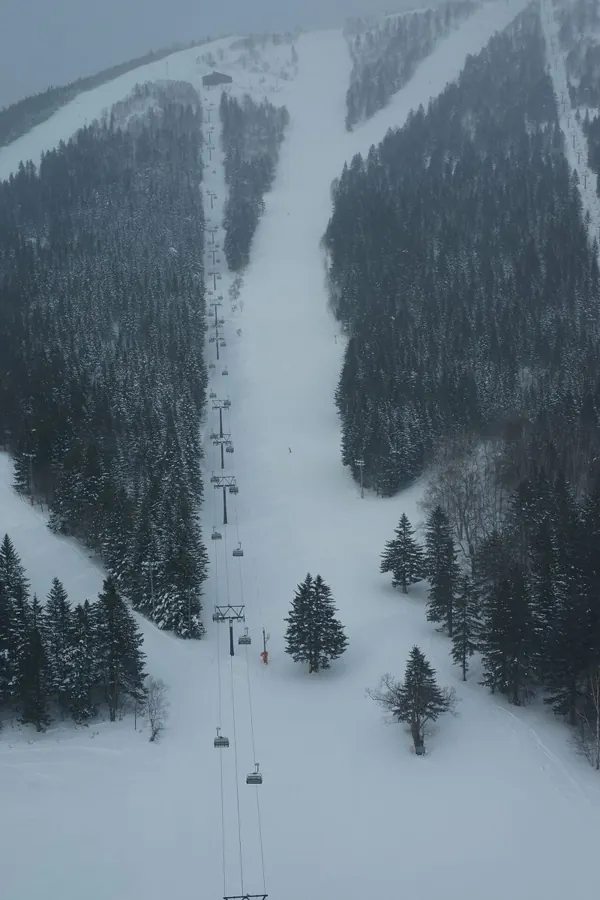
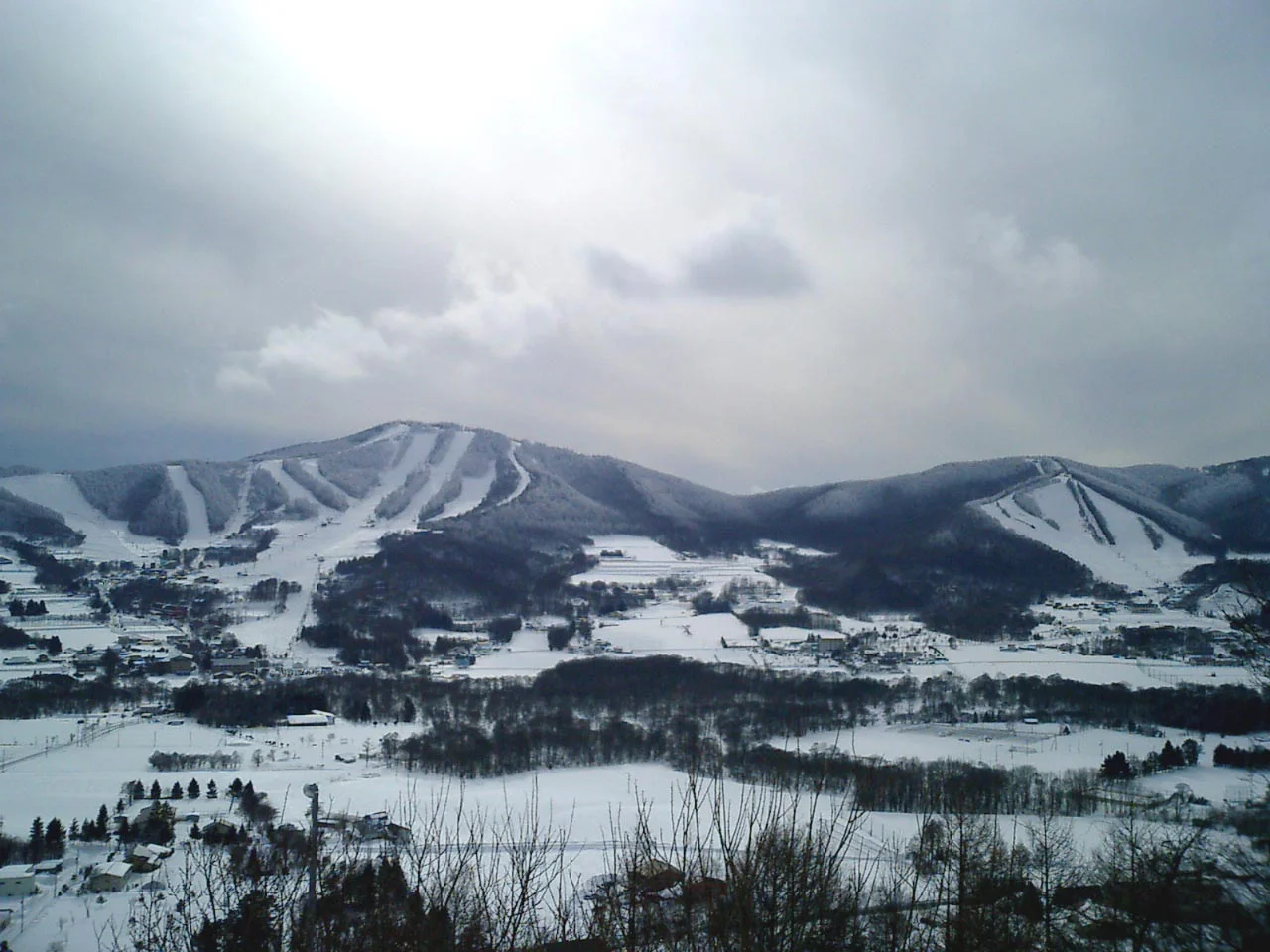
Rusutsu spreads across three Hokkaido mountains in a broad forest landscape. For the first day, locate your accommodation base and the starting point for lessons or equipment hire. The resort layout matters more than the shared address of Rusutsu.
Archival photograph; it does not show current snow or operating conditions.
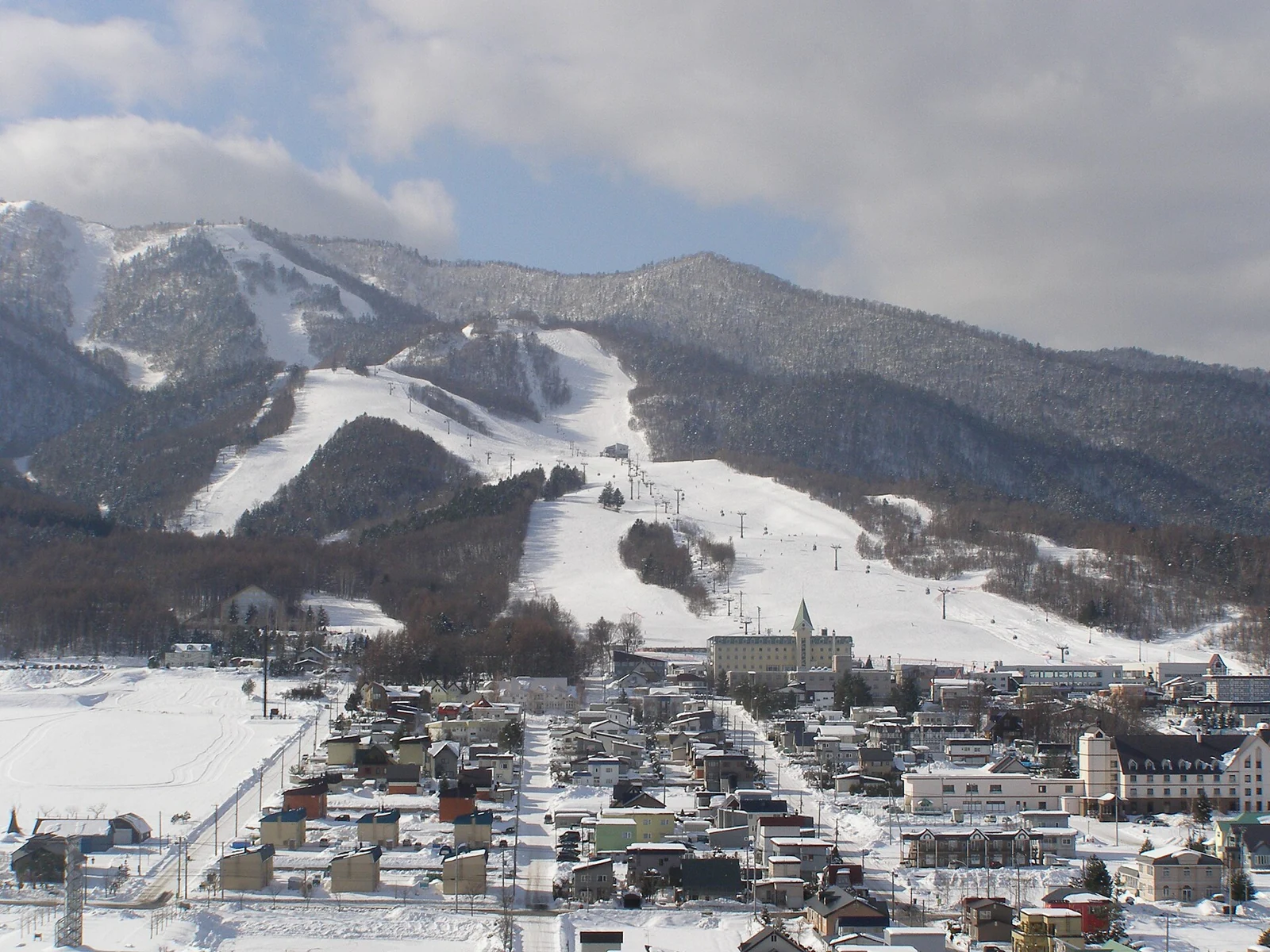
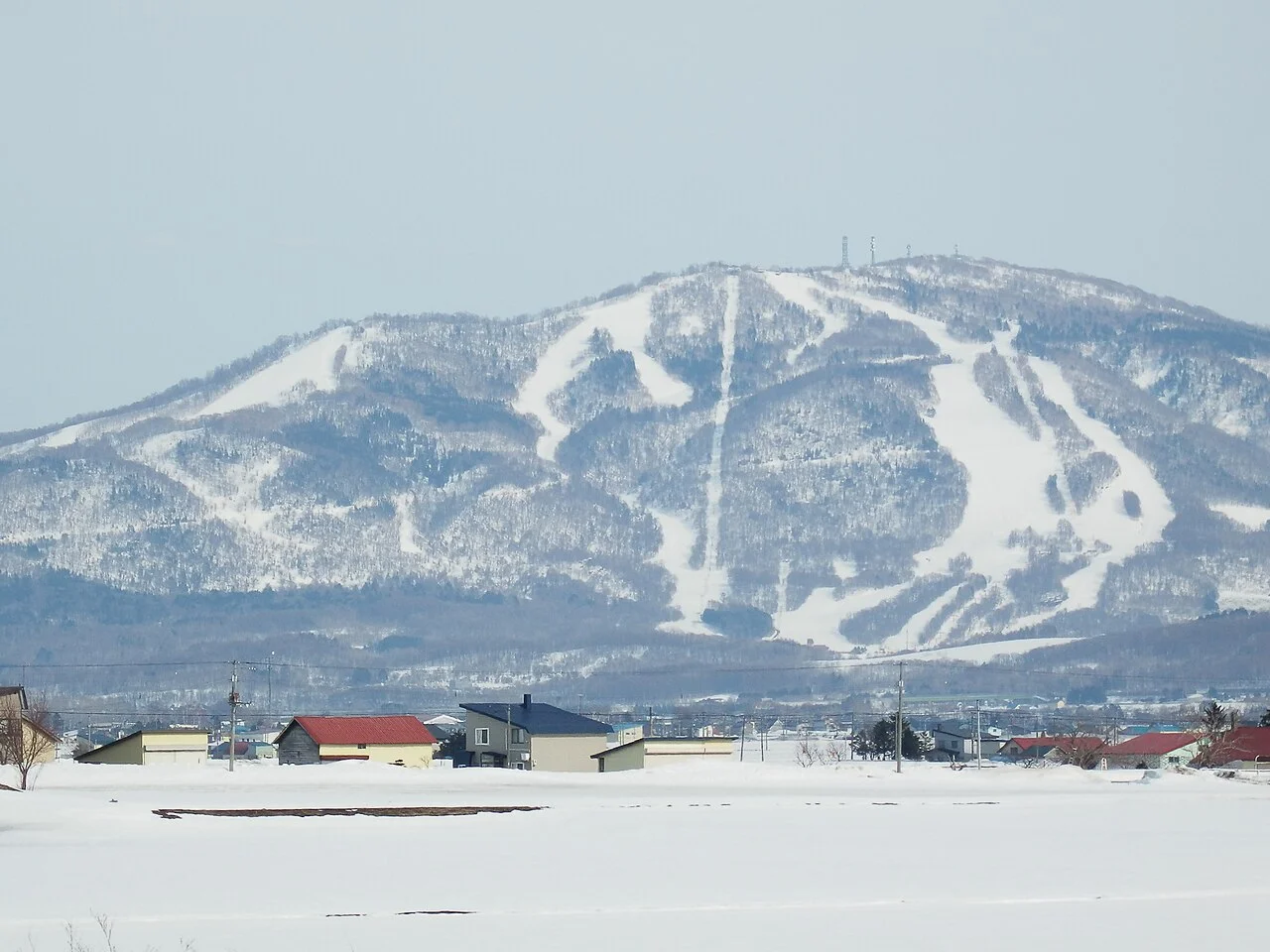
Furano combines two ski zones with a town below. Distinguish a stay by the mountain from a room in town: both morning access and evening outings will differ. Check the connections you intend to use before choosing accommodation.
Archival photograph; it does not show current snow or operating conditions.
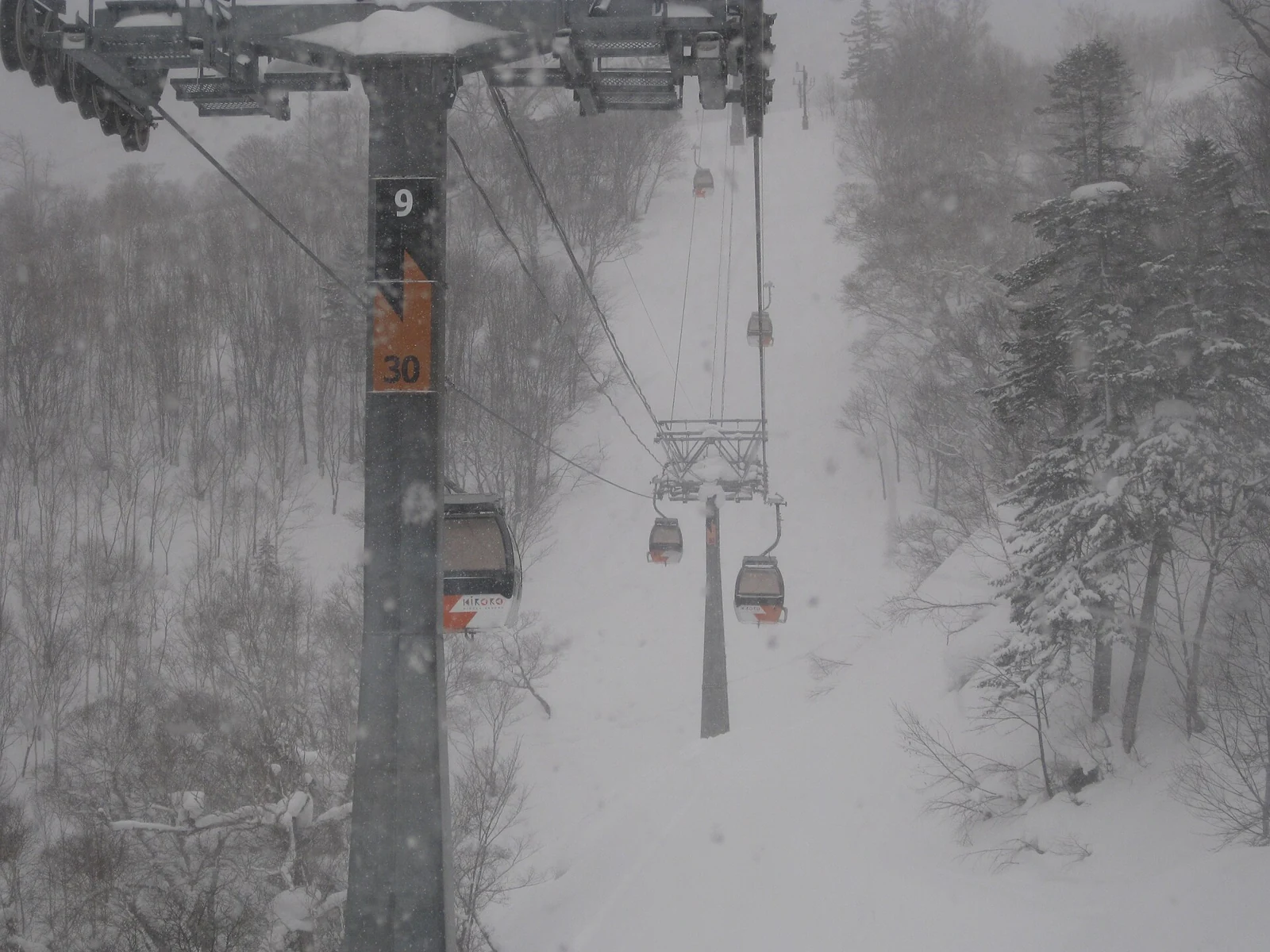
Kiroro lies in the mountains inland from Otaru. Staying at the resort and visiting from Otaru create different daily schedules, particularly for the final return journey. If you are not driving, start planning with the transfer to the mountain.
Archival photograph; it does not show current snow or operating conditions.
Tomamu is a Hokkaido resort for a holiday extending beyond the slopes. For a group with different interests, choose accommodation around the activities you want after skiing too. Confirm the building and arrival point attached to your booking so the luggage transfer is clear.
Archival photograph; it does not show current snow or operating conditions.
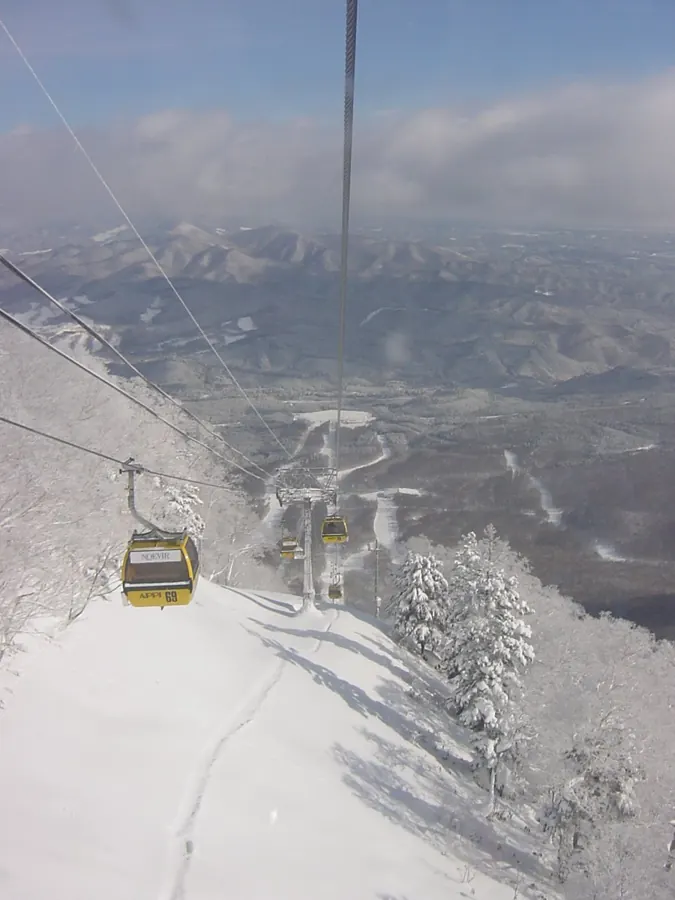
Appi Kogen is a ski base in Iwate, in northern Honshu. It fits a trip giving this part of Japan its own time, rather than a rushed addition to a Nagano itinerary. Match the arrival time with the final transfer to your accommodation before booking the separate legs.
Archival photograph; it does not show current snow or operating conditions.
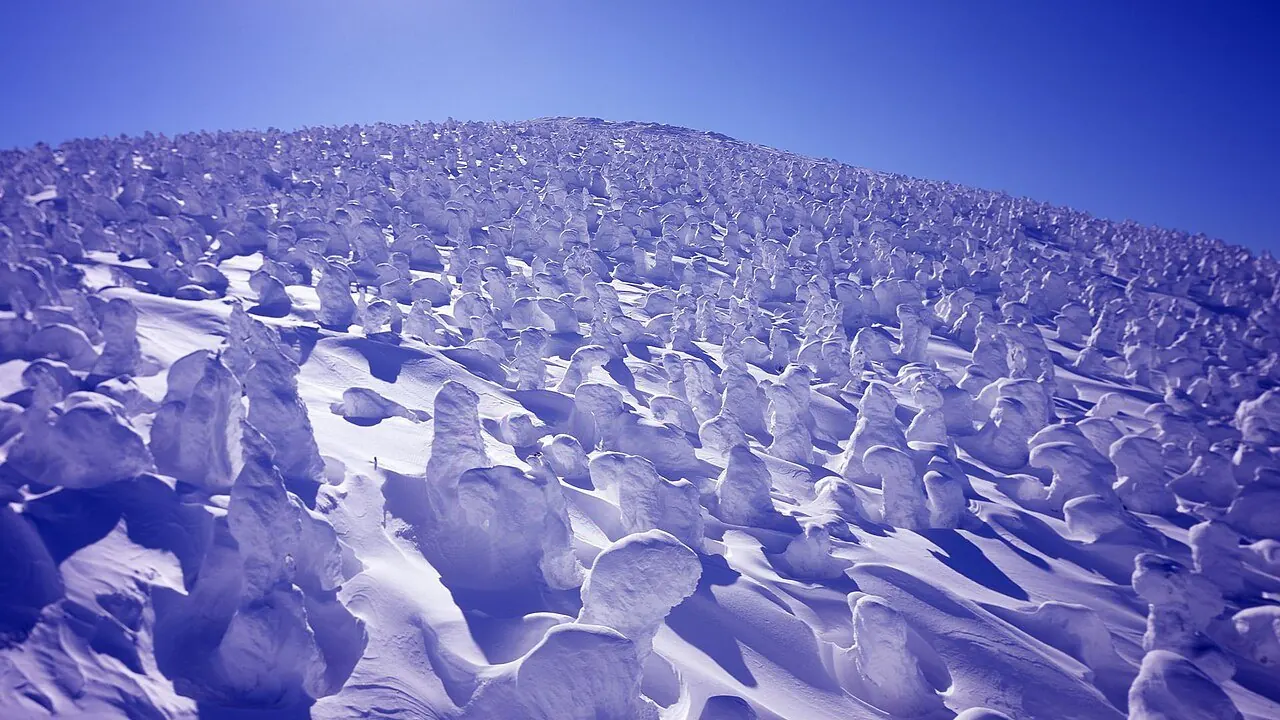
Zao Onsen combines a hot-spring village and skiing, with ice-coated trees giving the mountain its distinctive winter scenery. Their appearance depends on season and conditions. Leave time for the village and baths so that the trip still has variety on a day with limited visibility.
Archival photograph; it does not show current snow or operating conditions.
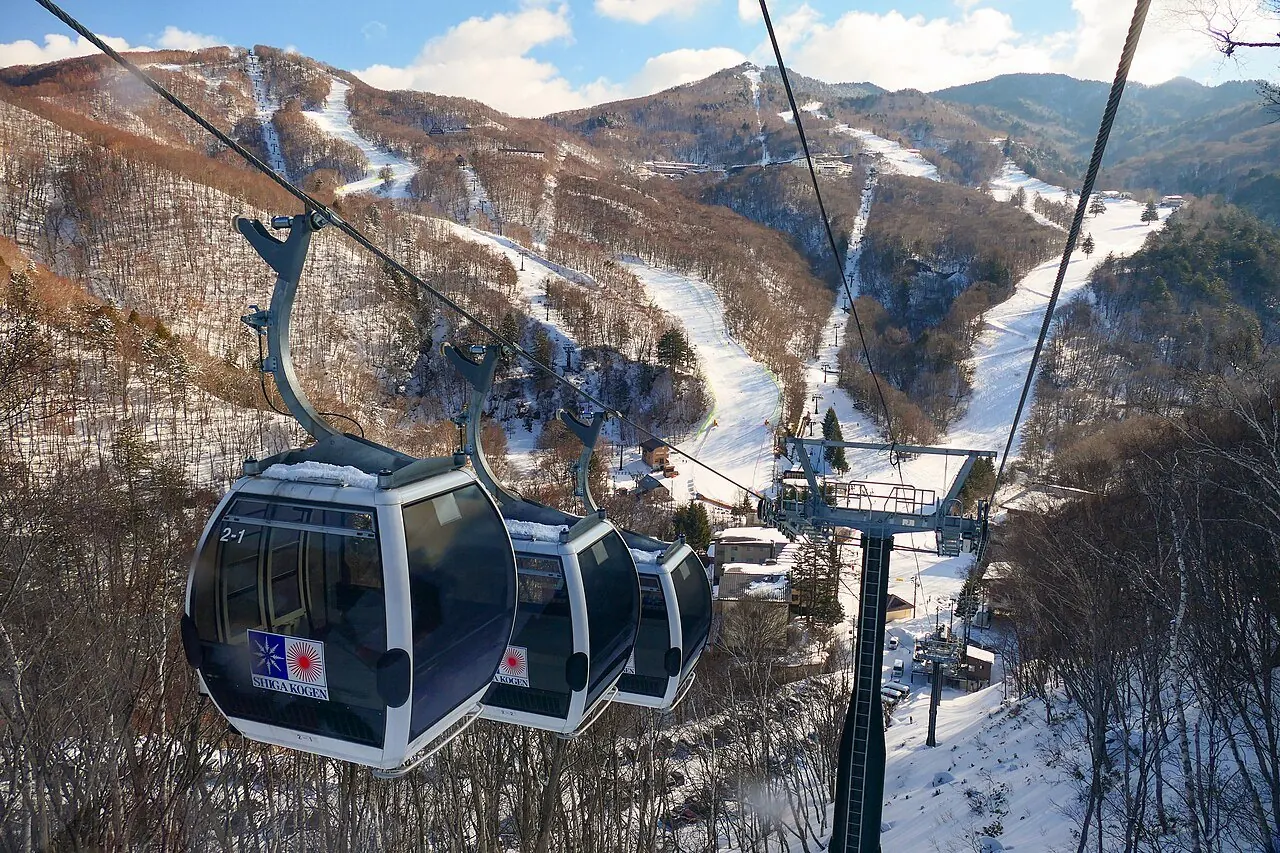
Shiga Kogen is a network of ski areas in the highlands of northern Nagano. The precise accommodation location matters: choose the sector that suits you before choosing a room. To explore further, consider lift links, buses and pass coverage together.
Archival photograph; it does not show current snow or operating conditions.
Myoko Suginohara is known for long slopes through forest scenery. Myoko is a wider area containing separate ski resorts, so specify Suginohara when arranging a transfer or lesson. Another nearby area is not necessarily reachable on skis.
Archival photograph; it does not show current snow or operating conditions.
Madarao sits on the Nagano–Niigata border, with forested terrain. If that is the main attraction, read the signs for permitted routes before entering the trees. When choosing accommodation, account for the connection from the Iiyama area to the mountain.
Archival photograph; it does not show current snow or operating conditions.
Lotte Arai is a mountain resort in Niigata above the Arai area. Staying at the resort or in a nearby settlement changes access to the first ski session. Compare transfers for your actual arrival time, especially when travelling by train with equipment.
Archival photograph; it does not show current snow or operating conditions.
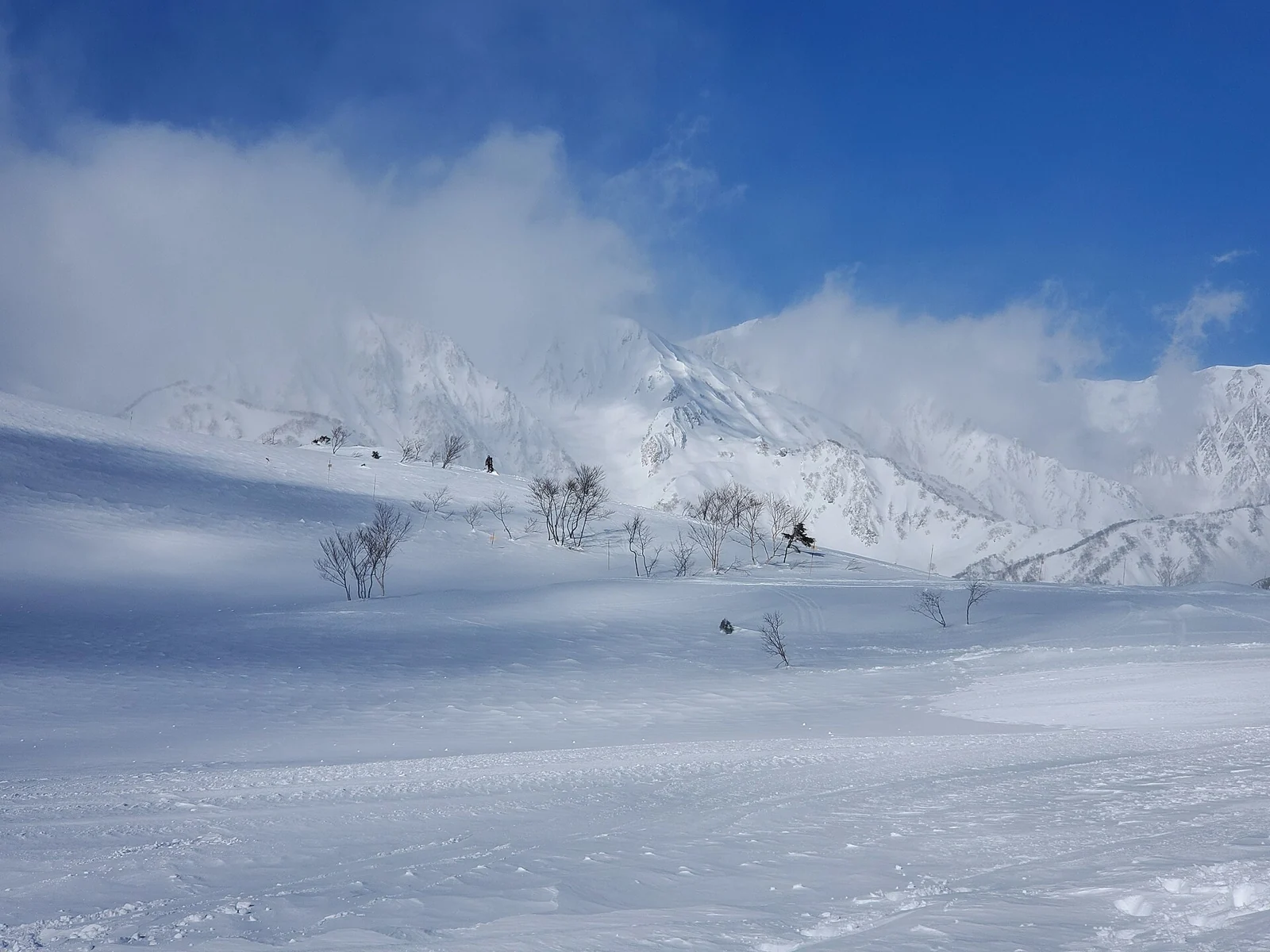
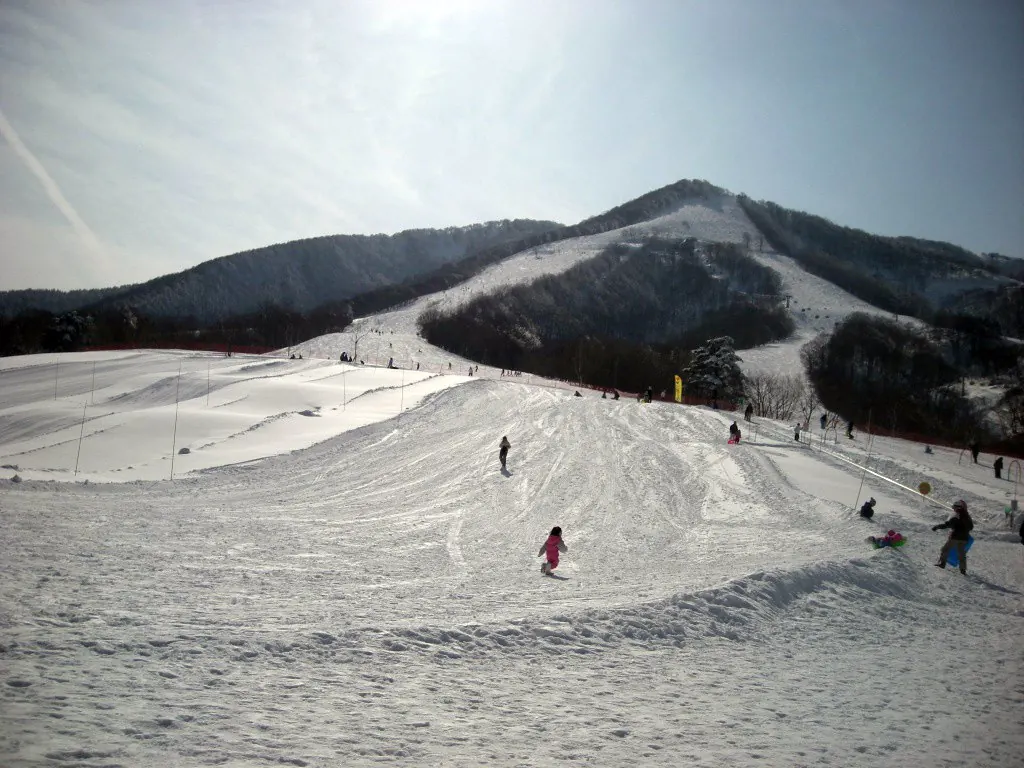
Tsugaike Kogen is one of the individual choices in the wider Hakuba area. Its broad gentle lower slopes are a useful feature when planning first lessons. Locate the school meeting point relative to your accommodation rather than booking anywhere in the valley.
Archival photograph; it does not show current snow or operating conditions.
Takasu Snow Park is in Gifu, a different base from the Nagano destinations prominent in many Japan ski itineraries. To include it, plan transport before allocating mountain days. The prefecture name alone is not enough to choose nearby accommodation.
Archival photograph; it does not show current snow or operating conditions.
Sahoro lies in central Hokkaido, with Shintoku serving as a rail access point. The journey does not end at the station: match arrival with the transfer to the resort. A settled base here leaves more mountain time than repeatedly changing accommodation.
Archival photograph; it does not show current snow or operating conditions.
Nekoma Mountain lies in the Aizu area of Fukushima, spanning northern and southern sides. The chosen side matters for arrival and accommodation. Use the current combined-area map, as older guides may describe the areas separately.
Archival photograph; it does not show current snow or operating conditions.
Joetsu International lies in Niigata, with Shiozawa among the nearby locations. For daily skiing, compare the room's location with the specific ski-area entry point. When travelling by train, keep station information separate from the final transfer arrangements.
Archival photograph; it does not show current snow or operating conditions.
Naeba is separate from the ski areas immediately around Echigo-Yuzawa station. A rail journey continues with a road transfer to the mountain. Allow for that leg on both arrival and departure, especially when skiing before a return train.
Archival photograph; it does not show current snow or operating conditions.
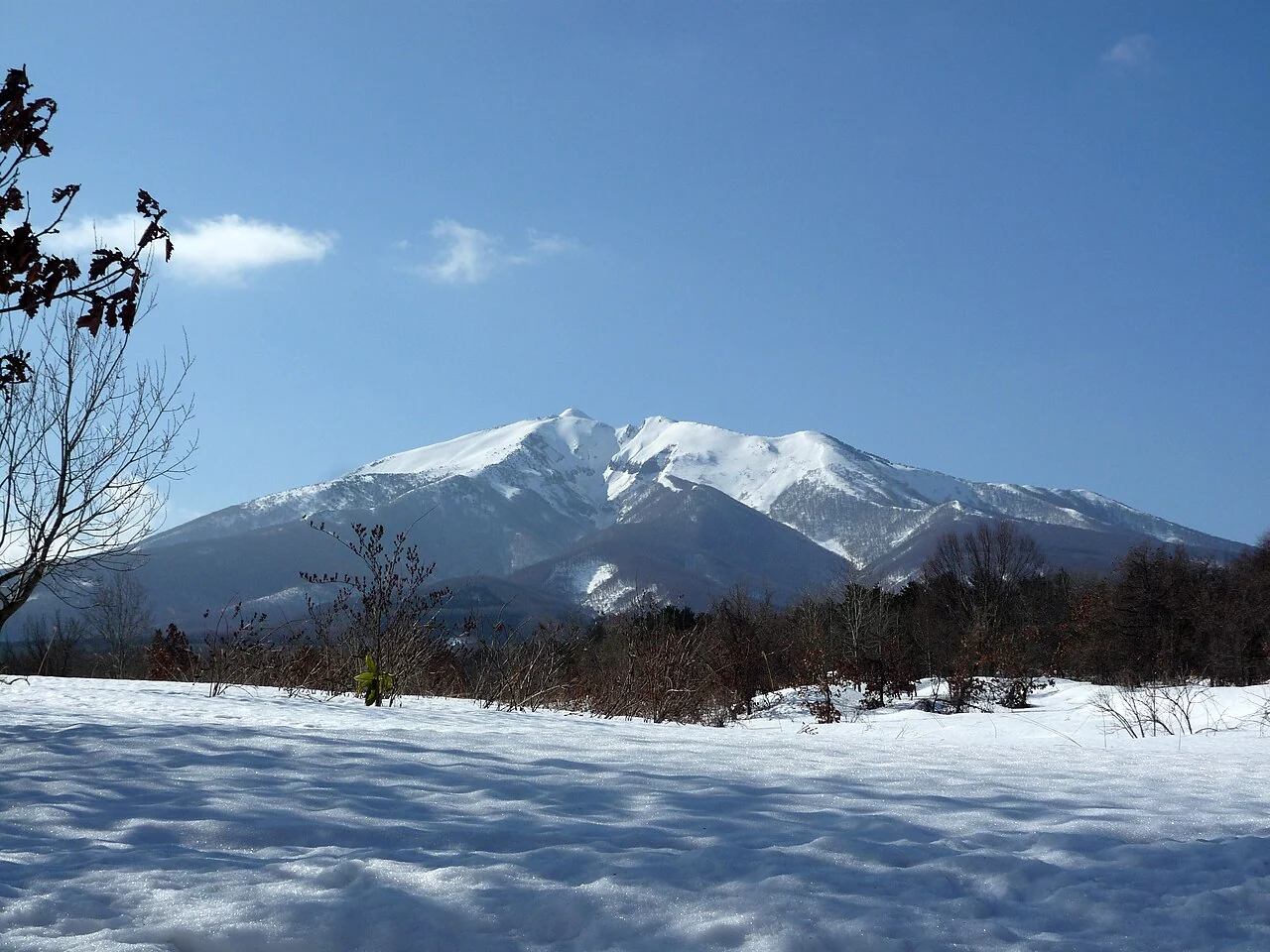
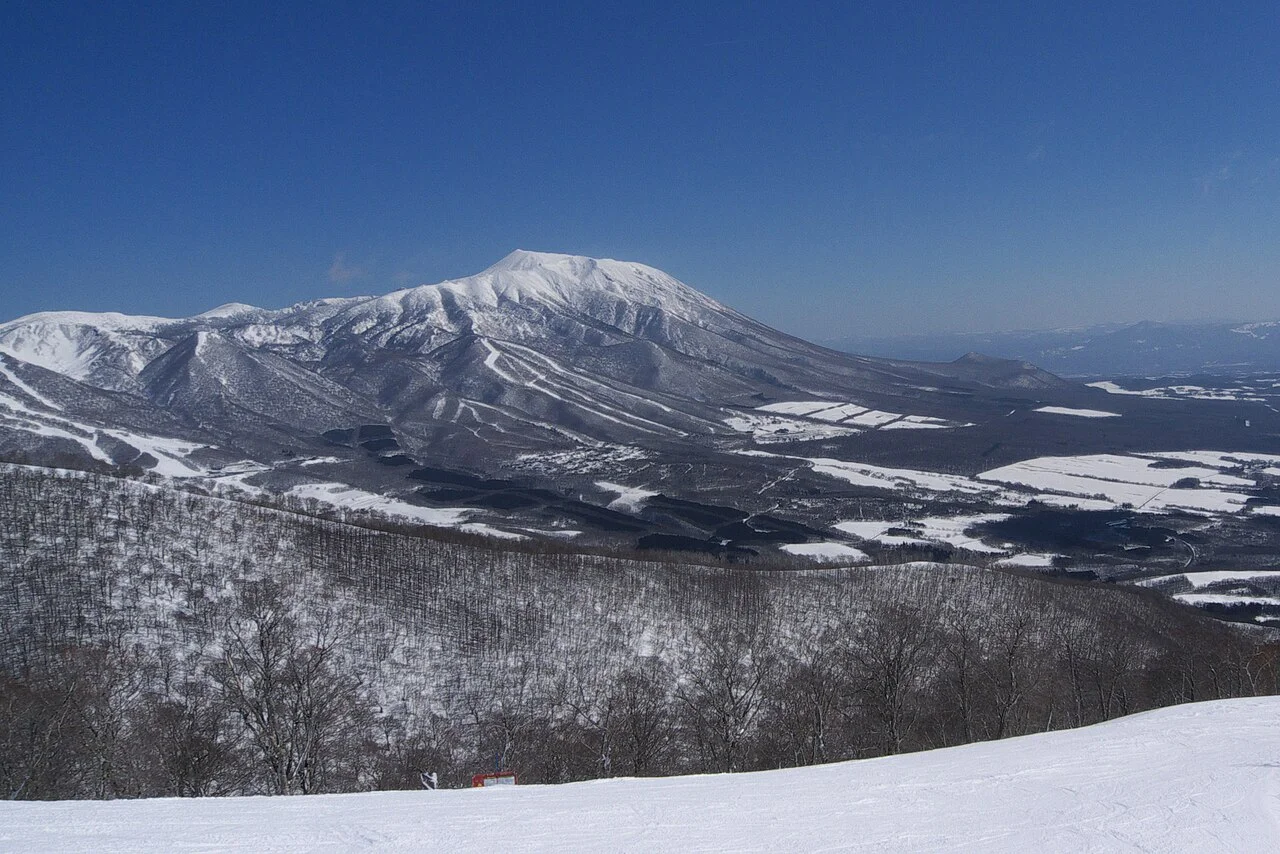
Aomori Spring lies on Mount Iwaki among beech forests in northern Honshu. It is a distinct travel base from Nagano or Hokkaido. Compare arrival through Aomori with the available resort transfer before linking the trip's bookings.
Archival photograph; it does not show current snow or operating conditions.
GALA Yuzawa stands out for the station's connection to the gondola, useful for a short car-free trip. It should not be confused with every resort bearing the Yuzawa name. Check the station, the day's service and time for equipment collection before skiing.
Archival photograph; it does not show current snow or operating conditions.
Kamui Ski Links is a Hokkaido ski option. The accommodation base needs to work with the road approach, rather than simply looking close on the map. For a car-free visit, confirm the return transfer before planning a full day on the slopes.
Archival photograph; it does not show current snow or operating conditions.
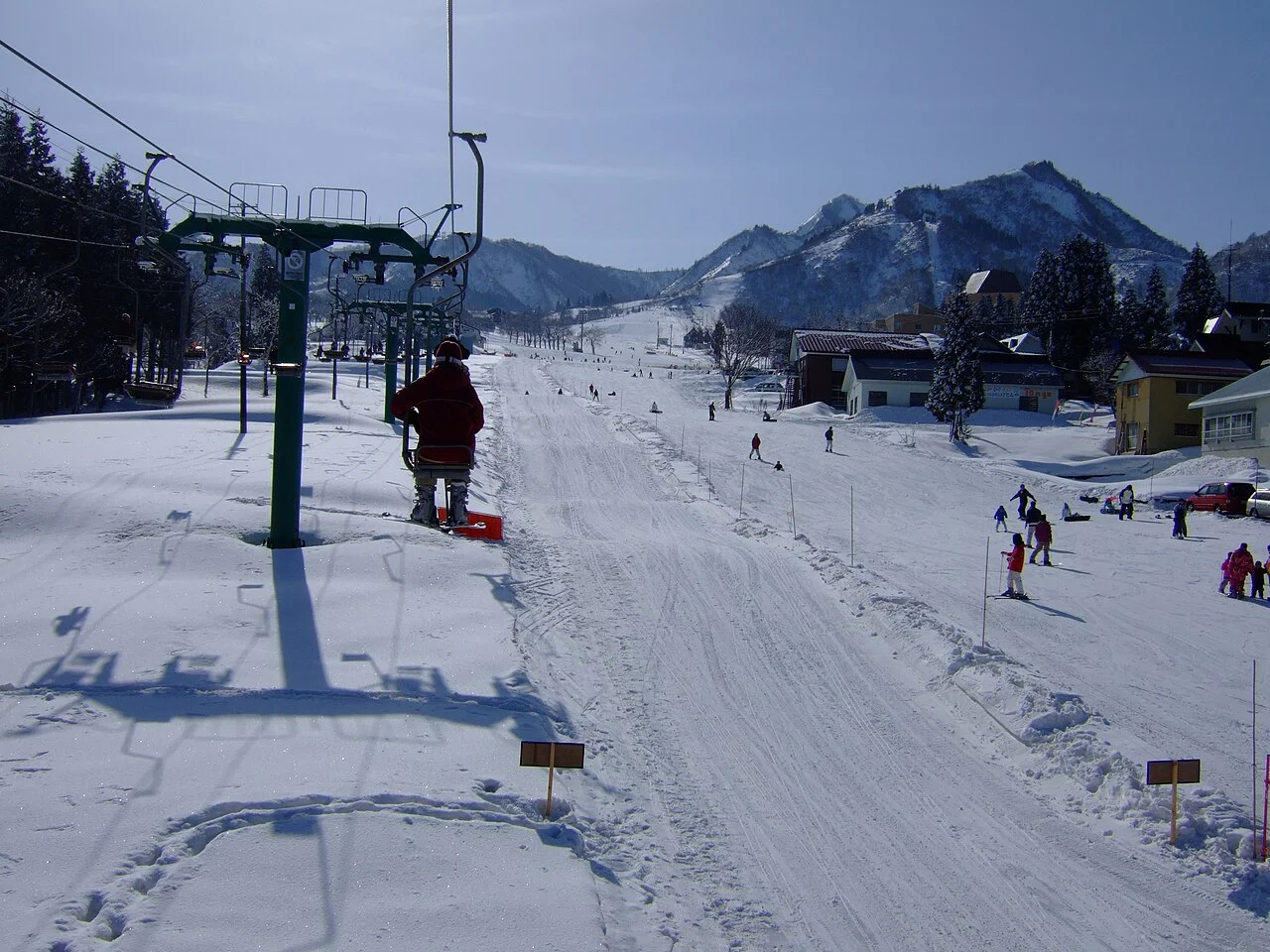
Maiko is a Niigata ski option near Yuzawa. When comparing areas for a short trip, look at station access and the equipment collection point. These smaller journeys determine how much of the day remains for skiing.
Archival photograph; it does not show current snow or operating conditions.
Shizukuishi offers another ski base in Iwate in northern Honshu. Choose accommodation around this particular area and do not treat separate resorts in the prefecture as one connected destination. A change of mountain needs its own transport plan.
Archival photograph; it does not show current snow or operating conditions.
Pine Beak is a specific ski destination within Sugadaira Kogen in Nagano. Use the full name and exact base for lessons, equipment hire or a meeting. This keeps accommodation and the morning plan focused on the same place.
Archival photograph; it does not show current snow or operating conditions.
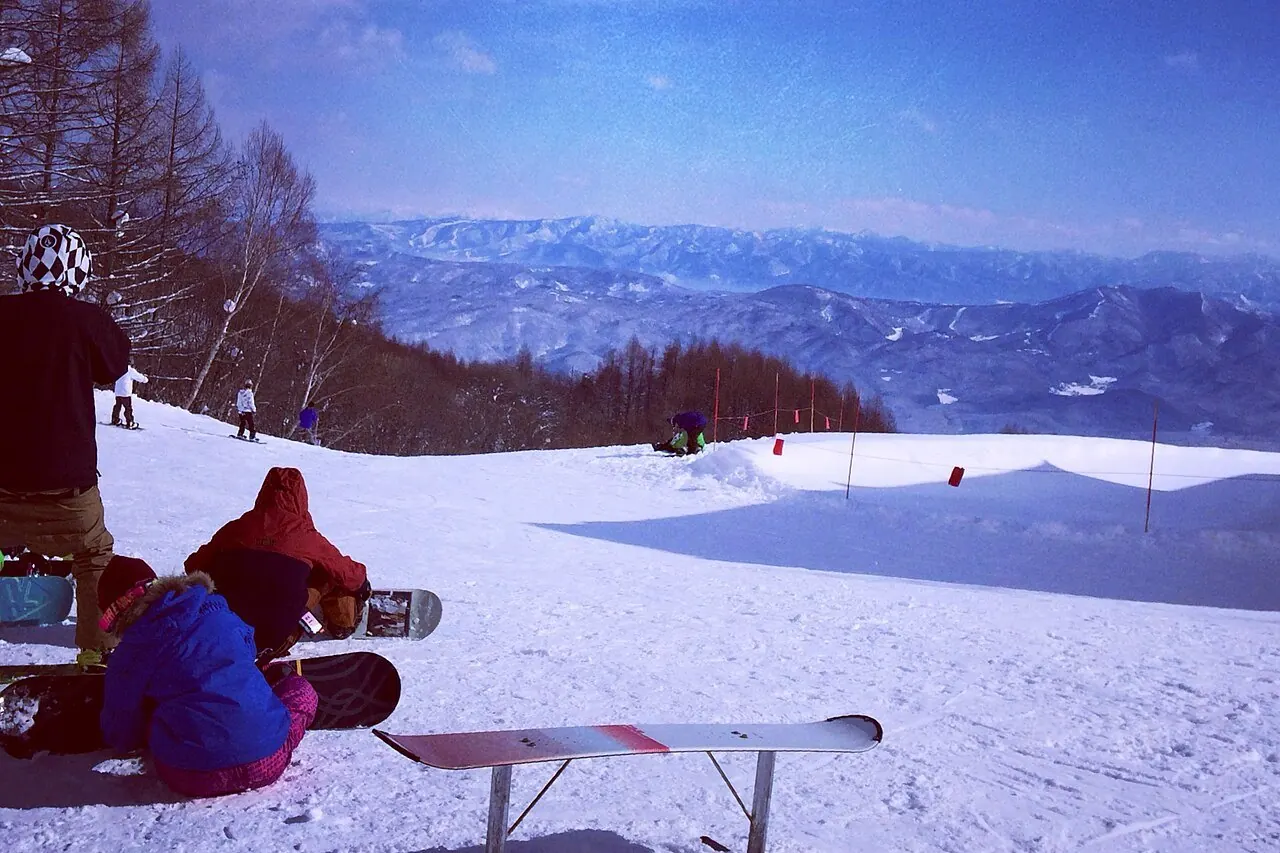
Togakushi offers skiing with views of its namesake mountain range in the Nagano area. The scenery is part of the experience even without long ski circuits. For accommodation in the wider area, check access to the ski field itself; the Togakushi name is also used for other attractions.
Archival photograph; it does not show current snow or operating conditions.
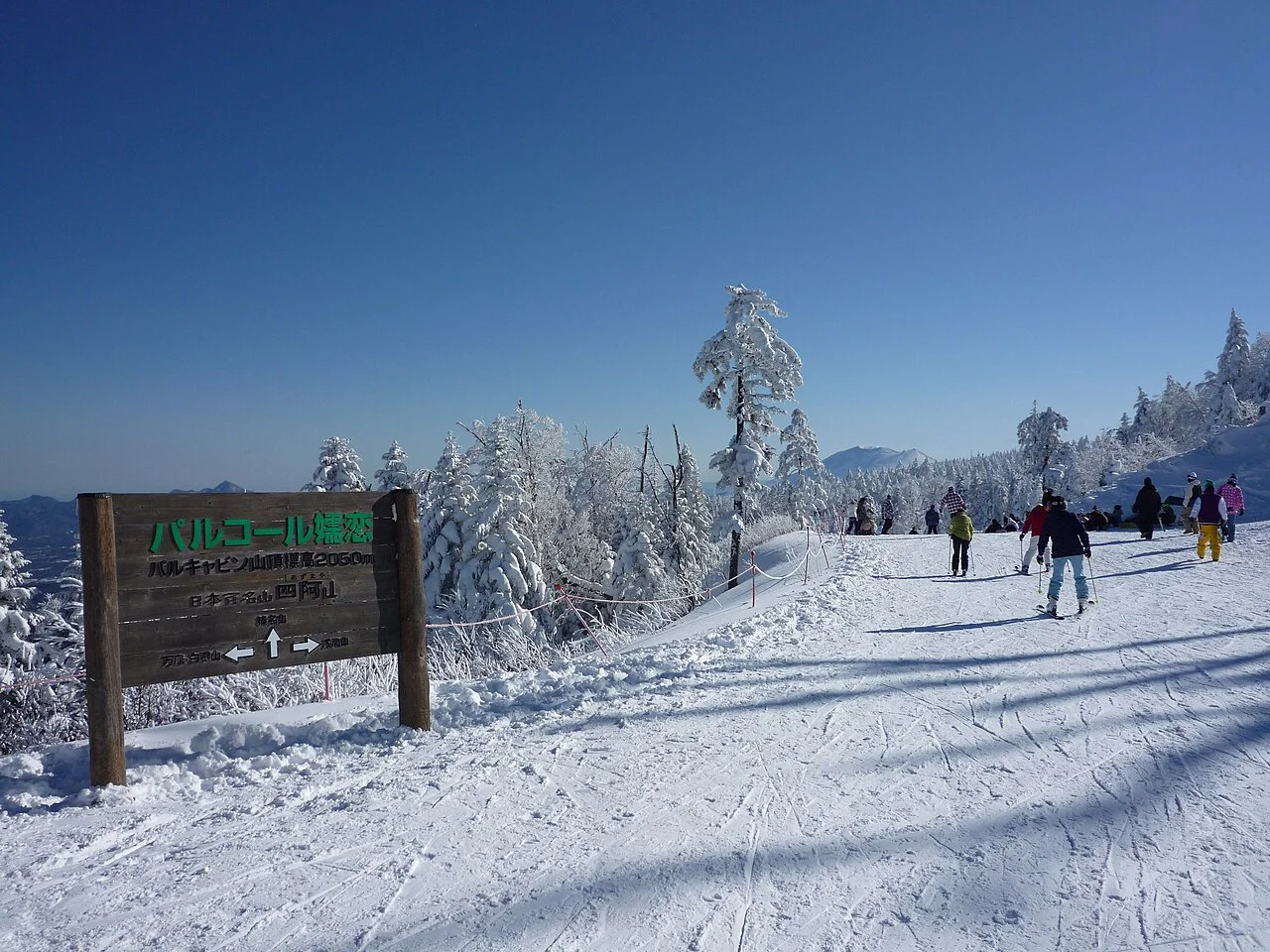
Palcall Tsumagoi lies in Gunma prefecture. For a resort stay, check the arrival point serving the accommodation and the services you need. If combining it with another Japanese region, plan transfers with winter equipment before filling the itinerary.
Archival photograph; it does not show current snow or operating conditions.
Mizuho Highland lies in Shimane in western Honshu. It is a different geographical option from Hokkaido or Nagano, relevant to a trip focused on western Japan. Compare the actual journey from your base before adding a ski day to the itinerary.
Archival photograph; it does not show current snow or operating conditions.
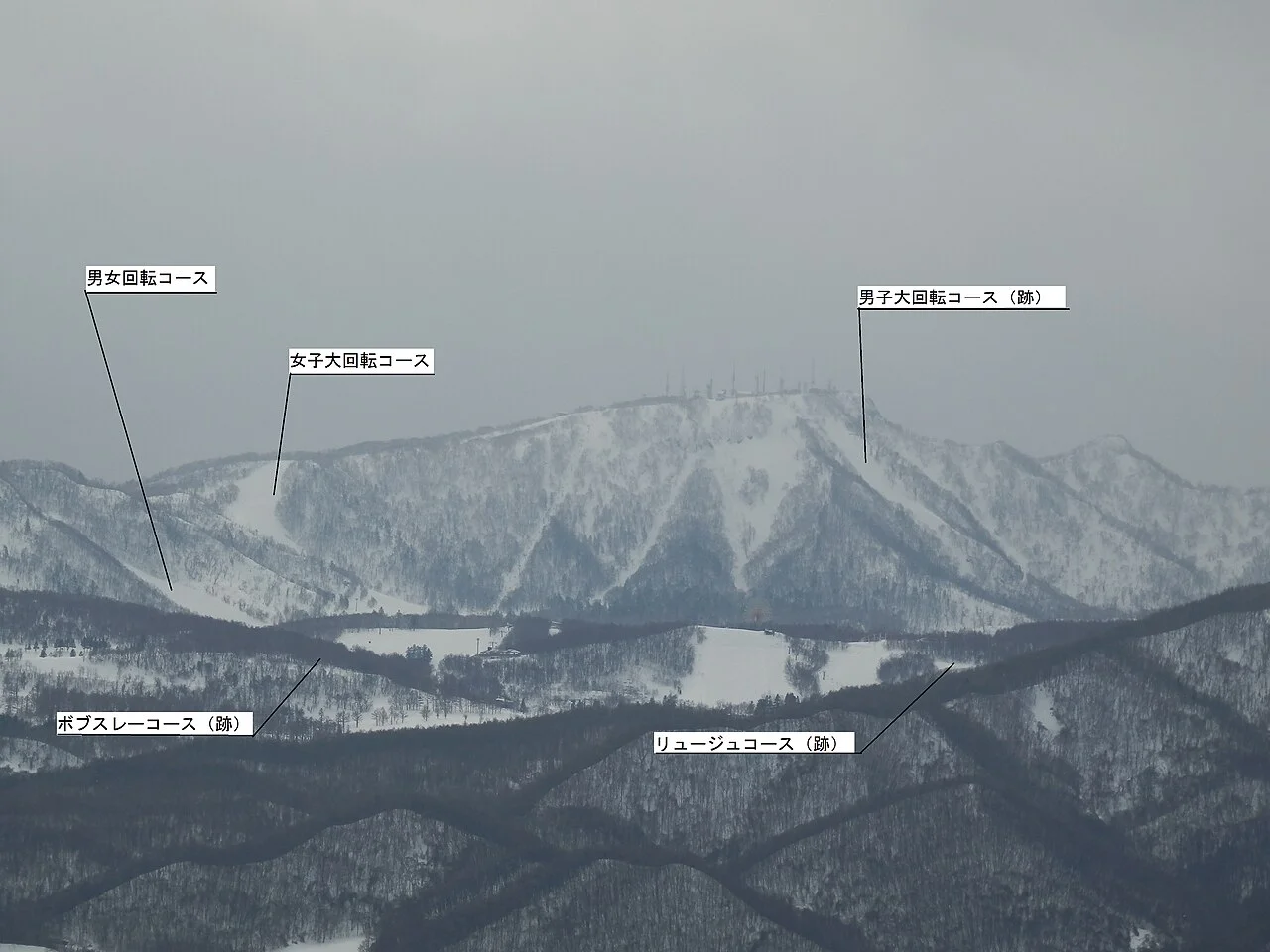
Sapporo Teine allows skiing to be combined with a stay and outings in Sapporo. Its Olympia and Highland zones have different terrain and service points. Before booking lessons or transport, identify the zone you need; arriving at the right point avoids an extra transfer.


.jpg)
.jpg)


.jpg)

_-_panoramio.jpg)


.jpg)

.jpg)

.jpg)


.jpg)


