Northern Lights forecast: planning your next clear night
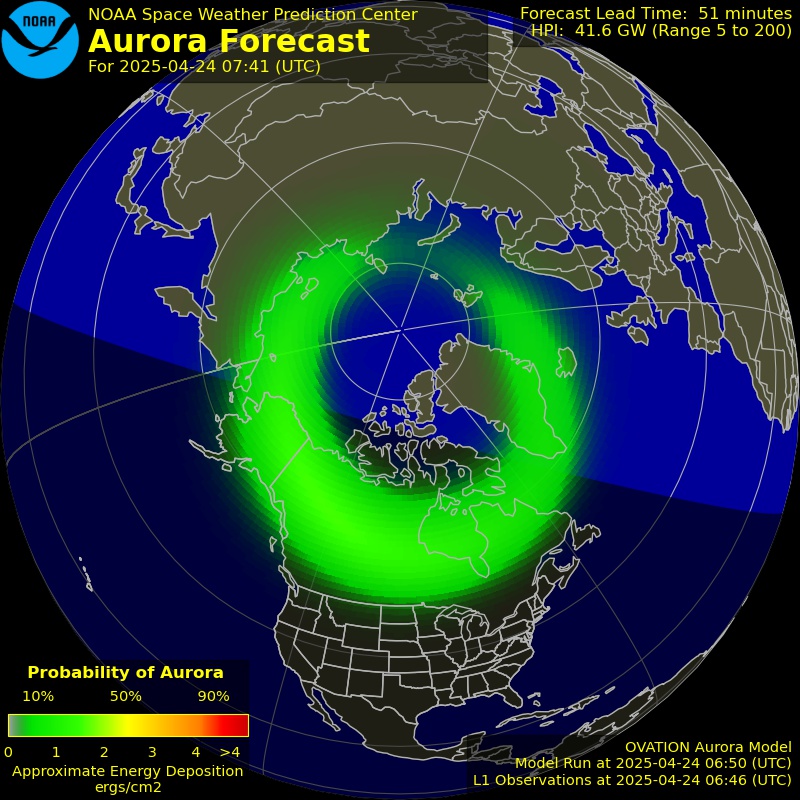
Northern Lights and Aurora Borealis refer to the same northern aurora. A high Kp value alone does not make a viewing plan: check local cloud, hours of darkness and an open horizon away from artificial light. Strong activity cannot overcome an overcast sky.
Compare weather forecasts for Tromsø and Alta in Norway, Reykjavík in Iceland, Abisko in Sweden or Inari in Finland. For Alaska and Canada, start with Fairbanks and Yellowknife. Destination links open our detailed weather forecasts so you can compare conditions before choosing a viewing spot.
NOAA · Aurora viewing conditions
What about the Southern Lights — Aurora Australis?
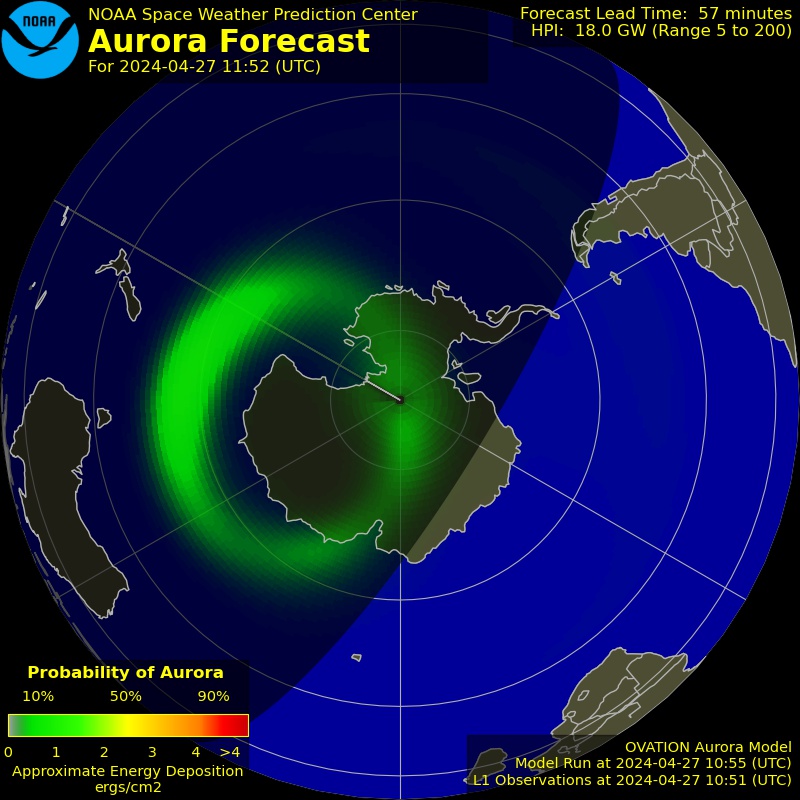
The southern aurora forms a corresponding band around the southern geomagnetic pole. Antarctica and Tasmania are notable viewing regions. In South Africa, sightings are very rare: SANSA documented them during the extreme geomagnetic storm of May 2024.
The two sections use data from their respective hemispheres. Use the southern map for Patagonia, Australia and New Zealand. Kp is a shared planetary index; local darkness and weather vary by location.
NOAA · Southern Hemisphere · Australian Antarctic Program · SANSA
How do I read the map?
NOAA OVATION estimates auroral location and intensity, usually 30–90 minutes ahead. Use the displayed valid time. If solar-wind inputs are unavailable, the model may use Kp with no forecast lead time.
Sources: NOAA SWPC
What does Kp tell me?
Kp describes planetary geomagnetic activity in three-hour intervals. It is not a local sighting probability. Observations, estimates and predictions are shown separately.
Sources: NOAA SWPC · NOAA SWPC
Clouds and darkness
Cloud and artificial light can obscure aurora. Look for clear skies, low light pollution and an unobstructed horizon towards the pole. Cloud forecasts remain estimates: check the actual sky too.
Sources: UK Met Office · NOAA SWPC
Can I see it from Greece?
Aurora on the map does not guarantee a sighting from Greece or any particular location. Kp offers broad context and its relationship with auroral extent is approximate. Check timing, cloud, darkness and your horizon.
Sources: NOAA SWPC · UK Met Office
When should I travel to see the northern lights?
Choose a season with enough darkness and allow several nights. Arctic summer daylight makes viewing difficult. Geomagnetic activity often increases around the equinoxes, but no month or destination guarantees a display. A three-day outlook cannot predict the aurora for a trip months away.
Sources: NOAA SWPC · NOAA SWPC
How do I plan an aurora watch tonight?
Choose a place, check the OVATION valid time, and compare Kp with local darkness and cloud forecasts. Use a safe location away from bright lights with an open horizon towards the relevant pole. Dress for the cold and check roads and wind before travelling. A camera may record faint colours that are harder to see by eye.
Sources: NOAA SWPC · UK Met Office
 Kiruna
 Rovaniemi
 Reykjavik
 Fairbanks
 Yellowknife
 Kangerlussuaq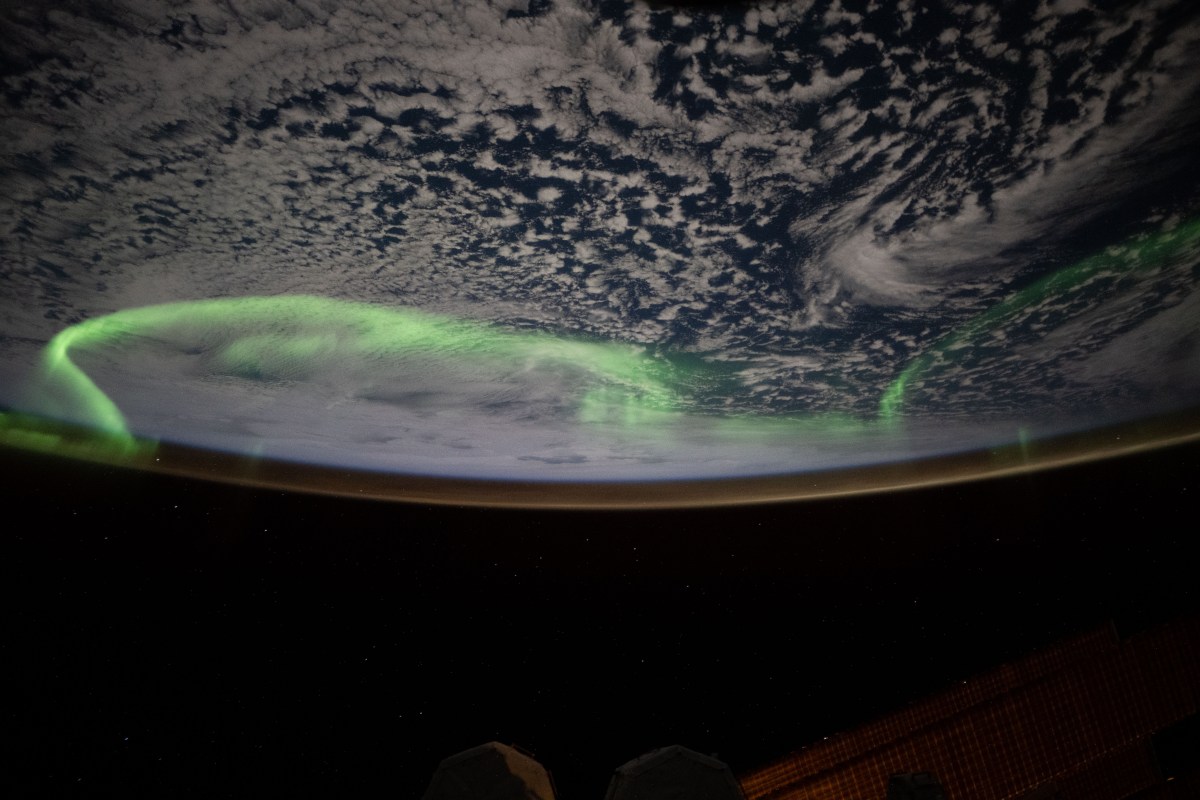
 Dunedin
 Ushuaia
 Punta Arenas
 Cape Town